
- Home/
- Buy Nolvadex Without Prescription in the United Kingdom Online
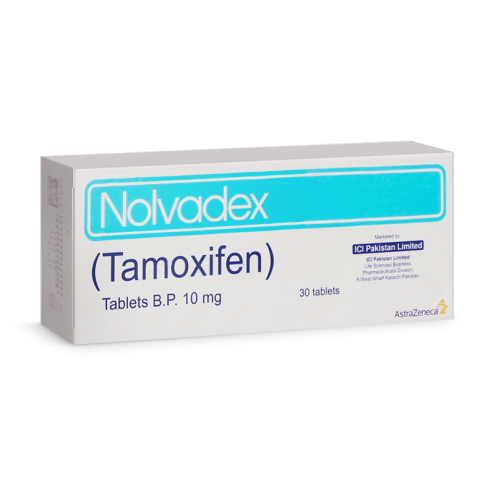
Nolvadex (Tamoxifen) in the United Kingdom: The Comprehensive Guide for Patients and Families
Can I get Nolvadex in the UK without a prescription?
No, Nolvadex (Tamoxifen) is a prescription-only medicine in the UK. It is illegal and unsafe to obtain it without a valid prescription from a doctor registered with the General Medical Council.
Summary: Key Facts About Nolvadex in the UK
| Parameter | Details |
|---|---|
| Active Ingredient | Tamoxifen citrate |
| Main Use | Treatment and prevention of oestrogen receptor-positive breast cancer |
| Prescription Required in UK? | Yes |
| Common Starting Dose | 20 mg daily |
| Most Common Side Effect | Hot flushes |
| Legal Source | NHS, registered UK pharmacies |
| Typical Cost (NHS) | Standard prescription charge (£9.65 as of 2026 in England) |
- Nolvadex is only available with a prescription in the UK.
- Counterfeits and unauthorised imports are common. Only use licensed pharmacies.
- Hot flushes, nausea, and leg cramps are the most common side effects.
- Never combine Nolvadex with certain anticoagulants or other hormonal therapies without medical advice.
How does Nolvadex (Tamoxifen) work in the body?
Nolvadex is a selective oestrogen receptor modulator (SERM). It binds to oestrogen receptors in breast tissue, blocking the effect of natural oestrogen. Since some breast cancers are fuelled by oestrogen, Nolvadex slows or halts growth of these tumours.
- Biochemical target
- Oestrogen receptor (ER), particularly ERα subtype
- Mechanism
- Acts as an antagonist in breast tissue (blocks oestrogen), but can be an agonist (activator) in other tissues such as bone and uterus.
- Result
- Reduces cancer cell division and risk of recurrence in oestrogen-dependent breast cancers.
Metaphor: Imagine Nolvadex as a key that fits into the oestrogen lock, but instead of opening the door, it jams it shut— preventing oestrogen from triggering unwanted cell growth in the breast.
The effectiveness of Nolvadex depends on the presence of oestrogen receptors on your tumour. It is not effective for ER-negative (oestrogen receptor-negative) cancers.
2024 UK clinical guidance confirms that Tamoxifen remains a first-line therapy in both adjuvant and preventive settings for ER-positive breast cancer (see references).
Dosage, Administration, and Duration: How to Take Nolvadex Safely
| Indication | Typical Dose | Course Duration |
|---|---|---|
| Early breast cancer (adjuvant) | 20 mg once daily | 5–10 years (per NICE guidelines) |
| Advanced/metastatic breast cancer | 20–40 mg daily (in divided doses if >20 mg) | Until progression/toxicity |
| Risk reduction in high-risk women | 20 mg once daily | Up to 5 years |
- Always follow your doctor’s instructions.
- Do not exceed the prescribed dose. The maximum safe dose is typically 40 mg per day.
- Take tablets whole with water, at the same time each day—morning or evening, with or without food.
- Missed a dose? Take it as soon as you remember, unless it’s nearly time for your next dose. Never double up.
- Tablet splitting: UK brands of Tamoxifen are usually scored and may be split if needed, but always check with your pharmacist.
Peak effect: Blood levels stabilise after about 4 weeks. Do not expect immediate results.
Elderly patients: No routine dose adjustment is required, but increased monitoring may be recommended for those with liver impairment.
Interactions with Food, Alcohol, and Lifestyle Factors
| Product or Activity | Can it be combined? | Possible Consequences |
|---|---|---|
| Fatty meals | Yes | No significant effect on absorption |
| Grapefruit juice | Avoid | May alter liver metabolism of Tamoxifen |
| Alcohol | In moderation | No direct interaction, but may worsen hot flushes or liver strain |
| Anticoagulants (e.g. warfarin) | NO | Increased risk of bleeding |
| St John’s Wort | Avoid | May reduce effectiveness |
- Fatty foods do not significantly affect Nolvadex absorption.
- There is no absolute ban on moderate alcohol, but heavy or regular drinking is discouraged due to liver toxicity risk and potential worsening of side effects.
- Grapefruit and grapefruit juice may interfere with liver enzymes responsible for processing Tamoxifen (mainly CYP3A4). Avoid them.
- Some herbal supplements (like St John’s Wort) can make Nolvadex less effective.
- Always inform your healthcare provider about all medications and supplements you are taking.
Myth vs Reality: “I can take Nolvadex with anything.”
Reality: Some foods and medicines—notably grapefruit and certain antidepressants—can change how Tamoxifen is processed in your body. Always check compatibility.
Who should not take Nolvadex? Absolute and Relative Contraindications
| Type | Condition | Details |
|---|---|---|
| Absolute | Pregnancy | Can cause birth defects. Must use effective contraception during and for at least 2 months after stopping Nolvadex. |
| Absolute | History of deep vein thrombosis or pulmonary embolism | Increased risk of blood clots |
| Relative | Liver impairment | May require dose adjustment and monitoring |
| Relative | History of endometrial cancer | Cautious use; Tamoxifen may increase risk of uterine cancer |
| Relative | Concurrent use of certain antidepressants (e.g., paroxetine, fluoxetine) | Can reduce Tamoxifen effectiveness via CYP2D6 inhibition |
- Do not take Nolvadex if you are pregnant or may become pregnant.
- Patients with a history of blood clots must not use Nolvadex unless a specialist determines the benefit outweighs the risk.
- Discuss any history of liver problems, uterine cancer, or depression with your doctor before starting.
Why? Tamoxifen may promote blood clotting and can have oestrogen-like effects in certain tissues (such as the uterus), increasing the risk for some cancers and bleeding issues.
What side effects are most common with Nolvadex?
| Frequency | Side Effect | Mechanism / Notes |
|---|---|---|
| Very common (>1 in 10) | Hot flushes | Altered oestrogen activity on thermoregulation |
| Very common | Menstrual irregularities | Oestrogen blockade in reproductive tissues |
| Common (1–10 in 100) | Nausea, vomiting | GI irritation |
| Common | Leg cramps | Exact cause unclear |
| Uncommon (1–10 in 1,000) | Blood clots (DVT, PE) | Can be life-threatening |
| Uncommon | Endometrial cancer | Due to oestrogenic stimulation of uterine lining |
| Rare (<1 in 1,000) | Visual disturbances / cataract | Exact mechanism unclear |
| Rare | Liver dysfunction | Monitor liver enzymes during therapy |
- Most side effects are mild and manageable but report any unusual bleeding, leg pain/swelling, or difficulty breathing immediately—these may signal a blood clot.
- If you experience sudden vision changes, severe abdominal pain, or signs of a stroke, stop Nolvadex and seek emergency care.
- Regular check-ups and blood tests can catch rare but serious complications early.
What to do if you get side effects? Mild symptoms like hot flushes or nausea often settle over time. Severe, persistent, or worrying effects should always be discussed with your breast care nurse, GP, or specialist.
Nolvadex vs Alternatives: How does it compare?
| Parameter | Nolvadex (Tamoxifen) | Aromatase Inhibitors (e.g. Anastrozole) | Fulvestrant |
|---|---|---|---|
| Onset of Action | Gradual (weeks) | Gradual | Gradual |
| Duration of Effect | Long (days-weeks) | Long | Long |
| Major Side Effect | Hot flushes, blood clots | Joint pain, bone thinning | Injection site pain |
| Suitable for pre-menopausal women? | Yes | Only post-menopausal | Usually post-menopausal |
| Cost (NHS) | Standard charge | Standard charge | Higher (injection) |
- Nolvadex remains the first-line option for pre-menopausal women.
- Aromatase inhibitors are more effective in post-menopausal women but can cause bone thinning.
- Fulvestrant is usually reserved for advanced cases or those who cannot tolerate tablets.
Bottom line: Choice of therapy depends on age, menopause status, cancer subtype, and side effect tolerance. What works for one may not suit another. Discuss all options with your oncology team.
How is Nolvadex metabolised and eliminated?
Metabolism: Tamoxifen is processed mainly in the liver by enzymes called CYP3A4 and CYP2D6. These enzymes convert it into active metabolites (like endoxifen), which are actually responsible for much of the anti-cancer effect.
Half-life (T1/2): The half-life of Tamoxifen is long—typically 5 to 7 days for the parent drug and up to 14 days for active metabolites. This means it stays in your system for weeks after you stop.
Elimination: Most of the drug is removed from the body through the bile and faeces. Less than 10% is excreted in urine.
What does this mean for you? If you have liver disease, Tamoxifen may build up and cause more side effects. Always inform your doctor of any liver problems before starting.
Nolvadex in Specific Patient Groups: What you need to know
- Elderly: No routine dose reduction is required, but regular monitoring is recommended due to higher risk of blood clots and other side effects.
- Children: Nolvadex is rarely prescribed for children and only under strict specialist supervision (e.g. for pubertal gynaecomastia).
- Pregnancy and Breastfeeding: Strictly contraindicated. Use effective contraception during and after treatment. Breastfeeding is not recommended during therapy due to risk of harm to the infant.
- Liver or Kidney Impairment: Caution advised—may require closer monitoring or dose adjustment.
- Driving and machinery: Nolvadex does not directly impair driving ability, but rare cases of visual disturbances or fatigue have been reported. If affected, do not drive.
- Fertility: Tamoxifen may induce ovulation in some pre-menopausal women but can also cause irregular periods and, rarely, permanent infertility.
In short: Special populations require tailored advice and frequent reviews. Never start or stop Nolvadex without consulting your oncology or breast care team.
How to obtain Nolvadex legally in the UK: Step by step
-
See your GP or breast cancer specialist.
A doctor registered with the General Medical Council must assess your need for Tamoxifen, usually after referral to a specialist if breast cancer is suspected or diagnosed. -
Receive a prescription.
Prescriptions are usually sent electronically to your nominated pharmacy. -
Choose a licensed pharmacy.
Only obtain Nolvadex from a registered pharmacy displaying the green cross logo (online or high street) and regulated by the General Pharmaceutical Council. -
Collect your medication.
Present your prescription at the pharmacy (in person or online). You may need to pay the standard NHS prescription charge (£9.65 per item as of 2026 in England; different rules in Scotland, Wales, and Northern Ireland). -
Follow-up and monitoring.
Regular reviews with your team are needed to monitor for side effects, adjust dosage, and check effectiveness.
Telemedicine Note: In some regions, you may use approved telehealth services for follow-up consultations and electronic repeat prescriptions. Always check the service is NHS-approved and pharmacy is UK-registered.
UK Legal Guide: Prescription, Pharmacy, and Online Safety
Regulatory authority: Medicines and Healthcare products Regulatory Agency (MHRA).
- Prescription requirement: It is illegal to supply Tamoxifen without a UK prescription. Unauthorised imports may be seized by HM Revenue & Customs and carry legal penalties.
- Online pharmacies: Only use pharmacies with a General Pharmaceutical Council (GPhC) registration and visible green cross logo. The NHS guide to online pharmacies explains how to check if a website is legitimate.
- Patient safety: A prescription protects you from fake or contaminated medicines, harmful interactions, and lack of specialist support.
- Reimbursement: For most patients in England, normal NHS prescription charges apply unless you qualify for exemptions. In Scotland, Wales and Northern Ireland, prescriptions are currently free.
Never buy Nolvadex from websites that do not request a prescription—these are often selling fakes or unregulated imports, which may be dangerous or ineffective.
How to spot fake Nolvadex and understand generics
What does real Nolvadex (Tamoxifen) look like?
- Packaging: Original packs are marked with the manufacturer’s name (e.g., AstraZeneca), UK batch number, and expiry date.
- Tablet appearance: Typically white, round, and scored. The tablet may have “Nolvadex” or “Tamoxifen” engraved, with dosage strength (e.g., 10 or 20 mg).
- Leaflet: A patient information leaflet in English is always included. Look for holograms, QR codes, or security seals—these are increasingly used for authentication.
If the price seems suspiciously low, packaging is in a foreign language, or the tablet appearance does not match UK standards—do not use and report to the MHRA’s Yellow Card Scheme.
What are generics?
Since the original Nolvadex patent has expired, many UK-licensed generics (e.g., Tamoxifen by Teva, Mylan) are available. They contain the same active ingredient and must meet strict MHRA bioequivalence standards.
Excipients (inactive ingredients): Generics may use different fillers or colouring agents, which rarely cause allergic reactions. If you have severe allergies, ask your pharmacist to review the ingredient list.
Original or generic?
- Both are equally effective if MHRA-approved.
- Generics are usually less expensive for the NHS and patients.
- Some patients may notice subtle differences in side effects or tolerability. If you do, discuss with your care team.
Generics save money without compromising effectiveness or safety, provided you obtain them from a licensed UK pharmacy.
What to do in case of overdose: Emergency steps
- Stop taking Nolvadex immediately.
- Call NHS 111 or, in severe cases (collapse, seizure, difficulty breathing), dial 999 for emergency services.
- Tell the healthcare team exactly what dose and how much Nolvadex you have taken.
- Take the medication packaging with you to hospital.
- Do not try to induce vomiting unless instructed by a medical professional.
Symptoms of overdose may include: severe nausea, vomiting, tremor, dizziness, abnormal heart rhythms, or bleeding. Immediate medical attention is always required.
Psychological Support: You’re not alone
Dealing with breast cancer and its treatments, including long-term medications like Nolvadex, can feel overwhelming. You’re not alone—thousands of people across the UK are on similar journeys.
Many patients benefit from speaking to a breast care nurse, joining a support group (e.g., Breast Cancer Now), or discussing concerns with loved ones. If you are struggling emotionally, ask your GP or team for referral to psychological support services.
Bottom line: Your mental wellbeing is as important as your physical health. Don’t hesitate to ask for help.
FAQs on Nolvadex in the UK
- Is Nolvadex available over the counter in the UK?
- No, you need a valid NHS or private prescription to obtain Nolvadex in the UK.
- Can I take Nolvadex every day?
- Yes—most regimens involve daily dosing. Always follow the instructions from your healthcare provider.
- Does Nolvadex cure breast cancer?
- No—Nolvadex reduces the risk of recurrence and can shrink some tumours, but it is not considered a cure. Surgery, radiotherapy, or chemotherapy may also be required.
- What should I do if I miss a dose?
- Take the missed dose as soon as you remember, unless it’s nearly time for your next dose. Never double up doses.
- Are there any foods I should avoid with Nolvadex?
- Yes—avoid grapefruit and grapefruit juice. Otherwise, normal diets are permitted unless advised otherwise.
- How long will I need to take Nolvadex?
- Course length varies: 5–10 years is common for breast cancer prevention or treatment. Your doctor will advise.
- Can men take Nolvadex?
- Yes—Nolvadex is sometimes used in men with breast cancer or specific hormonal conditions, but always under specialist supervision.
- What are the signs of a counterfeit product?
- Packaging in a foreign language, no English leaflet, tablets with unusual markings, or a price far lower than the usual NHS charge are common warning signs. Seek advice from your pharmacist.
- Where can I get advice about side effects?
- Contact your breast care nurse, GP, or oncology team. You can also report suspected side effects to the MHRA Yellow Card Scheme.
- Are there support groups for women taking Nolvadex?
- Yes—national charities like Breast Cancer Now and your hospital’s breast care service offer support and advice.
References
- National Institute for Health and Care Excellence (NICE). Early and locally advanced breast cancer: diagnosis and management. Updated 2024. https://www.nice.org.uk/guidance/ng101
- British National Formulary (BNF). Tamoxifen. Accessed 2026. https://bnf.nice.org.uk/drugs/tamoxifen
- UK Medicines and Healthcare products Regulatory Agency (MHRA). Tamoxifen Summary of Product Characteristics. Accessed 2026. https://www.medicines.org.uk/emc/product/4648/smpc
- British Association of Surgical Oncology. Breast Cancer Management Guidelines. 2025.
- Turner, N.C. et al. “Recent advances in the treatment of breast cancer.” Lancet, 2024; 403(10323): 1198–1209. https://pubmed.ncbi.nlm.nih.gov/38273620/
- National Health Service (NHS). Prescription charges and exemptions. Accessed 2026. https://www.nhs.uk/nhs-services/prescriptions-and-pharmacies/prescription-costs/
- United Kingdom Chemotherapy Board. “Consensus on use of Tamoxifen and alternatives.” 2025.