
- Home/
- Buy Doxycycline in Online Pharmacy in the United Kingdom
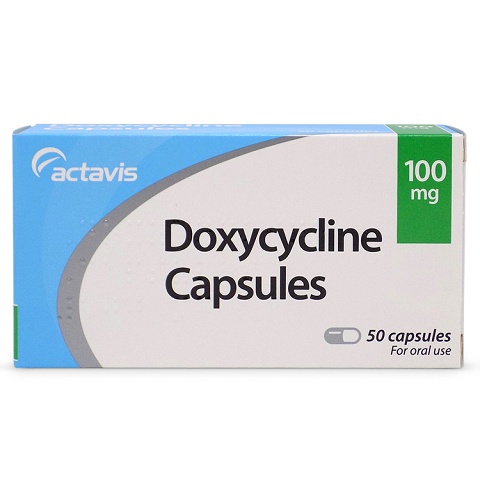
Is Doxycycline Available Without a Prescription in the United Kingdom?
Doxycycline is a prescription-only antibiotic in the United Kingdom. It cannot be legally obtained without a valid prescription from a qualified medical professional.
Key Takeaways: What Every Patient Should Know About Doxycycline
- Doxycycline is most suitable for treating bacterial infections such as respiratory tract infections, acne, and certain sexually transmitted infections.
- Improvement in symptoms is typically seen within 2–3 days of starting treatment, but the full course must be completed.
- A prescription is required to obtain Doxycycline through any pharmacy in the United Kingdom, including online services.
- The most important safety consideration is to avoid Doxycycline if you are pregnant, breastfeeding, or allergic to tetracyclines.
- Seek medical advice immediately if you experience severe headache, blurred vision, or signs of an allergic reaction while taking Doxycycline.
- Stopping treatment early or missing doses can increase the risk of antibiotic resistance and treatment failure.
How Does Doxycycline Work in the Body?
Doxycycline is a tetracycline-class broad-spectrum antibiotic. Its primary mechanism of action is the inhibition of bacterial protein synthesis by reversibly binding to the 30S ribosomal subunit in bacteria. This prevents the attachment of aminoacyl-tRNA to the mRNA-ribosome complex, directly blocking the addition of new amino acids to the growing peptide chain (PubMed).
Unlike some antibiotics that require a certain metabolic pathway or active cell division, Doxycycline can act against a range of bacteria regardless of their growth phase. It is effective against Gram-positive and Gram-negative bacteria, atypical pathogens such as Chlamydia and Mycoplasma, and even certain protozoa.
Metaphor: Imagine bacteria as factories producing essential products (proteins). Doxycycline places a lock on the machinery, halting production and causing the factory to shut down over time.
Misconceptions About Speed and Scope of Treatment: Observations from Clinical Practice
In my experience, many patients expect antibiotics like Doxycycline to deliver immediate results, sometimes within hours of the first dose. They may grow concerned if their symptoms don’t improve right away, not realising that the body still requires time to clear infection-related inflammation, even after bacteria are controlled. Additionally, patients often assume Doxycycline will treat any infection indiscriminately, overlooking its ineffectiveness against viruses or fungal infections. One underappreciated challenge is that patients rarely ask about interactions with supplements or over-the-counter medicines, which can meaningfully impact absorption. Lastly, people seldom discuss the importance of completing the full course, even when feeling better – a key factor in preventing antibiotic resistance.
How Should Doxycycline Be Taken? (Dosage, Timing, and Duration)
Standard Starting Dose: For adults, the usual dose is 100 mg twice daily on the first day, followed by 100 mg once daily thereafter. In severe infections, 100 mg twice daily may be continued throughout treatment. For acne or malaria prophylaxis, lower doses (e.g., 50 mg–100 mg daily) are common.
Peak Effect: Doxycycline reaches peak blood concentrations within 2–4 hours of oral administration. Bacteriostatic effects (halting bacterial growth) develop rapidly, but symptom improvement is usually noticed in 2–3 days.
Duration: Courses range from 5–14 days, depending on the condition. It’s essential to complete the prescribed course, even if symptoms resolve earlier.
- Maximum daily dose: 200 mg (do not exceed unless expressly directed by a doctor).
- Elderly and renal impairment: No routine dose adjustment for mild/moderate kidney disease, but caution is advised in severe hepatic impairment.
- Splitting tablets: Only split if the product is scored and after consulting your pharmacist.
- Pediatric use: Doxycycline is generally avoided in children under 12 due to risk of dental discoloration and effects on bone growth.
Does Food, Alcohol, or Other Products Affect Doxycycline’s Effectiveness?
Food: Doxycycline can be taken with or without food. However, taking it with a full glass of water and remaining upright for 30 minutes reduces the risk of oesophageal irritation and ulcers. Dairy products (milk, cheese, yoghurt) and calcium-fortified foods can reduce its absorption by up to 50%, as can iron supplements and antacids. Ideally, avoid these for 2 hours before and after taking the medicine (NHS).
Alcohol: Moderate alcohol consumption is not strictly contraindicated, but excessive drinking may impair liver function and increase side effect risk. Avoid heavy alcohol use during therapy.
Grapefruit juice: Unlike some other drugs, grapefruit juice does not have a known interaction with Doxycycline.
| Product | Can it be combined? | Consequences |
|---|---|---|
| Milk/Dairy | No | Reduces absorption, lowers effectiveness |
| Iron supplements | No | Reduces absorption, take 2 hours apart |
| Alcohol (moderate) | Yes (with caution) | Possible liver strain, avoid excess |
| Antacids | No | Reduces absorption, space by at least 2 hours |
| Grapefruit juice | Yes | No significant interaction |
| Oral contraceptives | Yes (with caution) | Rarely may reduce effectiveness, use additional contraception |
Who Should Not Take Doxycycline? Contraindications and Red Flags
- Absolute Contraindications
-
- Known allergy to Doxycycline or other tetracyclines (risk of life-threatening reactions)
- Pregnancy (especially after week 16 due to risk of tooth and bone defects in the fetus)
- Breastfeeding (drug passes into breast milk and may harm the baby)
- Children under 12 years (except in specific, life-threatening situations)
- Relative Contraindications (Use with Caution)
-
- Severe liver impairment (increased risk of toxicity)
- History of oesophageal disorders (increased risk of ulcers)
- Photosensitivity disorders (risk of severe sunburn)
- Taking retinoids (e.g. isotretinoin for acne) – increased risk of brain pressure rise
- History of myasthenia gravis (may worsen symptoms)
Why do these risks matter? Tetracyclines can interfere with bone and tooth development, and may cause severe reactions in those with allergies or existing organ impairment.
After a serious allergic reaction or severe drug-induced liver injury, Doxycycline should only ever be considered under specialist supervision, and usually not at all.
What Side Effects are Most Common with Doxycycline?
Very Common (>1 in 10):
- Gastrointestinal upset (nausea, diarrhoea, abdominal pain)
- Photosensitivity (increased sunburn risk)
Common (1 in 10 to 1 in 100):
- Headache
- Vaginal or oral thrush (candida overgrowth)
- Loss of appetite
- Vomiting
- Rash
- Difficulty swallowing (due to oesophageal irritation)
Rare (1 in 1,000 to 1 in 10,000):
- Severe allergic reactions (anaphylaxis, angioedema)
- Severe skin rashes (Stevens-Johnson syndrome)
- High pressure in the skull (pseudotumor cerebri) – symptoms: severe headache, blurred vision
- Liver injury or hepatitis
- Blood disorders (haemolytic anaemia)
What to do if side effects occur? Mild nausea or mild diarrhoea often improves by taking Doxycycline with food but avoiding dairy. If you develop severe headache, vision problems, rash, difficulty breathing, or swelling of the face/tongue, stop the medicine and seek emergency care immediately. Notify your GP of any persistent or severe side effects.
Common Patient Mistakes with Doxycycline and How to Avoid Them
- Stopping the course early: Many people stop taking Doxycycline as soon as they feel better. This increases the risk of relapse and antibiotic resistance. Always complete the full course unless told otherwise by your doctor.
- Taking with dairy products or antacids: Calcium binds to Doxycycline, greatly reducing its effectiveness. Take Doxycycline at least two hours before or after dairy, iron supplements, or antacids.
- Lying down immediately after taking: Swallowing Doxycycline while lying down or shortly before bedtime increases the risk of oesophageal irritation and ulceration. Take with plenty of water and stay upright for at least 30 minutes.
- Ignoring sun exposure advice: Doxycycline increases the risk of sunburn. Using sun cream and avoiding strong sunlight is essential, even in cloudy weather.
- Using leftover or old prescriptions: Taking antibiotics prescribed for someone else or from a previous illness may not be appropriate for your current infection and can be dangerous.
- Skipping doses or irregular timing: Inconsistent dosing reduces treatment effectiveness. Set reminders or link doses to daily routines.
Doxycycline Compared to Other Common Antibiotics in the United Kingdom
Doxycycline is often prescribed for infections where broad coverage or atypical pathogens are suspected, but several alternatives exist.
| Medication | Onset of Action | Duration of Effect | Common Side Effects | Cost per Course | Prescription Required? |
|---|---|---|---|---|---|
| Doxycycline | Within 24–48 hours | Once or twice daily dosing | GI upset, photosensitivity | £6–£18 (7-day course) | Yes |
| Amoxicillin | Within 24–48 hours | Every 8 hours | GI upset, allergic rash | £5–£15 (7-day course) | Yes |
| Clarithromycin | Within 24–48 hours | Twice daily | GI upset, taste disturbance | £9–£22 (7-day course) | Yes |
Bottom line: Doxycycline is often preferred for atypical pathogens, tick-borne diseases, or as a second-line option for penicillin allergies. It offers convenient once-daily dosing but carries a higher risk of sun sensitivity and GI upset compared to some alternatives.
Doxycycline Pharmacokinetics Explained Simply
- Absorption: Well absorbed orally (up to 90% bioavailability).
- Distribution: Widely distributed in tissues, including lungs and skin.
- Metabolism: Minimal liver metabolism; primarily excreted unchanged.
- Elimination: Mainly through the intestines (bile/faeces); some via urine.
- Half-life (T1/2): 16–22 hours in healthy adults.
- Implications: Good tissue penetration; consistent blood levels with once-daily dosing.
In patients with liver disease, elimination may be slower, requiring closer monitoring. In kidney disease, no major dose adjustment is usually required.
Is Doxycycline Safe for Pregnant Women, Children, or People with Chronic Conditions?
- Pregnancy & Breastfeeding:
- Doxycycline is contraindicated due to risks of fetal tooth and bone development abnormalities and risks for breastfed infants.
- Children under 12:
- Not recommended except in severe or life-threatening infections (e.g., Rocky Mountain spotted fever).
- Renal or Hepatic Impairment:
- Generally safe in mild/moderate kidney impairment, but caution in severe liver disease.
- Ability to drive or operate machinery:
- Doxycycline rarely causes dizziness or visual disturbance. If these occur, avoid driving or operating machinery until resolved.
- Fertility and family planning:
- No evidence of negative impact on fertility, but use of effective contraception is vital due to pregnancy risks.
Doxycycline: Original Brands vs Generics and How to Spot Counterfeits
In the United Kingdom, both original brands (e.g., Vibramycin) and generic Doxycycline are available. Generics contain the same active ingredient, dosage, and have been proven bioequivalent by the MHRA. Excipients (inactive ingredients) may differ, rarely causing mild allergies in sensitive individuals. Generics offer similar clinical effectiveness at a lower cost.
Counterfeit detection: Always check for:
- Clear, professional packaging with manufacturer’s name, batch number, and expiry date.
- Blister packs with uniform tablets (colour: usually yellow or light green, round, sometimes scored).
- Genuine products may include QR codes or holographic seals for authentication.
- Be wary of non-English/language packaging, spelling errors, or unusually low prices.
Myth vs Reality: Myth: All generics are inferior to branded Doxycycline. Reality: UK-approved generics must demonstrate identical quality, safety, and effectiveness.
Quality Check: What Should Doxycycline Look Like?
- Tablet colour: yellow, pale yellow, or greenish.
- Shape: round or capsule-shaped.
- Markings: should match the description in the patient information leaflet.
- Packaging: sealed blister packs, no evidence of tampering.
- Label: includes batch number, expiry date, manufacturer’s name, and, for some brands, a QR code or holographic sticker.
- Suspicious features: faded print, broken seal, tablets of different sizes or colours, missing leaflet.
Online Pharmacy Safety Guide: How to Avoid Unsafe Sellers in the United Kingdom
Always use a pharmacy registered with the General Pharmaceutical Council (GPhC). Check for a valid GPhC registration number, which should be displayed on the website. UK law requires all online pharmacies dispensing prescription medicines to be registered and to verify your prescription.
- Avoid sites offering Doxycycline without a prescription – this is illegal and unsafe.
- Check for the GPhC logo; click through to verify authenticity (GPhC).
- Beware of websites with poor contact information, spelling errors, or prices that are dramatically lower than high street pharmacies.
- Purchasing from unregulated sources risks receiving counterfeit or substandard medicines, and in some cases, packages may be intercepted by UK customs.
Consumer protection: Always keep your prescription and order records, and report any suspected counterfeit medicines to the MHRA.
What Should You Do in Case of Doxycycline Overdose?
- Stop taking the medication immediately.
- Call NHS 111 or 999 (for severe symptoms) for urgent advice.
- Provide details of the amount taken, timing, and any symptoms to medical staff.
- Do not try to induce vomiting unless instructed by a healthcare professional.
- Keep the medication packaging for reference.
Symptoms of overdose may include severe nausea, vomiting, diarrhoea, and dizziness. Severe overdose can cause liver injury or increased intracranial pressure, so timely medical attention is critical.
Step-by-Step: How to Obtain Doxycycline Legally in the United Kingdom
- Consult your GP or an NHS-authorised prescriber (in person or via an accredited telemedicine provider). Describe your symptoms and medical history in detail.
- Undergo any recommended diagnostic tests (e.g. swab or blood tests) to confirm bacterial infection and suitability.
- Receive your prescription if Doxycycline is appropriate. The prescription may be electronic (EPS) or paper.
- Take your prescription to an NHS pharmacy or a GPhC-registered online pharmacy. The pharmacist will verify your details and dispense the medicine.
- Follow the instructions provided regarding dosage, food interactions, and side effect monitoring.
- Report any problems or adverse reactions to your prescriber or pharmacist. They may adjust your treatment as necessary.
Your medication may be dispensed under the NHS (with standard prescription charge) or privately (prices vary). Telemedicine is commonly used for conditions such as acne or for travel-related preventive courses.
Questions Patients Most Often Ask doctor About Doxycycline
- How soon will I start feeling better after taking Doxycycline?
- Most patients notice improvement within 2–3 days, but it’s normal for some infections to take longer. If you don’t see any change after 5 days, contact your doctor.
- Can I take Doxycycline if I am allergic to penicillin?
- Yes. Doxycycline is unrelated to penicillin and is often used precisely when patients have a penicillin allergy.
- Is it safe to use sunbeds or travel to sunny countries while on Doxycycline?
- Doxycycline increases sensitivity to sunlight. Avoid sunbeds and take extra precautions with sun cream and protective clothing when outdoors.
- Will Doxycycline interfere with my contraceptive pill?
- Antibiotics like Doxycycline rarely reduce the efficacy of combined contraceptive pills. However, if you experience vomiting or diarrhoea, use additional contraception.
- What should I do if I miss a dose?
- Take the missed dose as soon as you remember, unless it’s nearly time for your next dose. Never double up. Maintain even spacing between doses.
- How do you monitor if the treatment is working?
- Improvement in symptoms and, where possible, follow-up tests guide whether the antibiotic is effective. Let your doctor know if symptoms persist or worsen.
- Are there long-term side effects I should worry about?
- Long-term use is uncommon but may cause gut flora changes or, rarely, liver issues. For most people, short courses are well tolerated.
- Can Doxycycline be used repeatedly if I get the same infection again?
- Repeat use is possible if appropriate, but your doctor will want to check for resistance and ensure the diagnosis is correct before prescribing again.
Doxycycline at a Glance: Technical Reference Table
| Available strengths | 50 mg, 100 mg capsules or tablets |
| Formulations | Oral tablets, capsules, dispersible tablets, oral suspension |
| Usual dosing frequency | Once or twice daily |
| Time to peak concentration | 2–4 hours |
| Bioavailability | Up to 90% (reduced by calcium/iron) |
| Half-life (T1/2) | 16–22 hours |
| Prescription status in UK | Prescription-only |
| Storage | Below 25°C, in original packaging, dry place |
Psychological Support: You’re Not Alone in Facing Infection or Chronic Conditions
Bacterial infections, acne, and related health issues are common and treatable. If you feel anxious or overwhelmed, remember that many people experience similar conditions. Speaking with your GP, pharmacist, or even a close friend or partner can help you manage both the physical and emotional aspects of treatment.
What Should I Do if Doxycycline Does Not Seem to Work?
If your symptoms haven’t improved after the expected period (typically 3–5 days), or if they worsen, contact your doctor for reassessment. You may need additional diagnostic testing or a change of treatment. Do not increase your dose or combine antibiotics without medical advice.
Clinical Assessment by Doctor: When is Doxycycline the Most Appropriate Choice?
In my clinical practice, Doxycycline stands out as a versatile antibiotic particularly well-suited for patients with suspected atypical respiratory infections, travel-acquired vector-borne diseases, and those with penicillin allergy. Its efficacy in managing chronic acne and certain sexually transmitted infections also makes it a mainstay. However, it’s not ideal for children under 12, pregnant or breastfeeding women, or individuals with a history of severe hepatic impairment or allergy to tetracyclines. Patients with significant sun exposure risk, or those unable to adhere to food and administration timing, may experience greater difficulty with this medicine. For infections such as urinary tract infections or those caused by bacteria resistant to tetracyclines, alternative antibiotics should be considered. Safety, tolerability, and convenience of once-daily dosing favour Doxycycline in numerous outpatient scenarios, but careful patient selection and follow-up are required to ensure the best outcomes and reduce resistance risk.
Frequently Asked Questions About Doxycycline in the United Kingdom
- Is Doxycycline effective for COVID-19 or viral infections?
- No. Doxycycline is not effective against viral infections such as COVID-19 or the common cold.
- How much does Doxycycline cost in the UK?
- Under the NHS, standard prescription charges apply (currently £9.65 per item in England as of 2026). Private prescriptions may range from £6–£18 for a typical 7-day course.
- Do I need a prescription to buy Doxycycline in the UK?
- Yes, Doxycycline is only available with a valid prescription from a UK-registered prescriber.
- Can I buy Doxycycline online legally?
- Yes, but only from GPhC-registered online pharmacies that require a prescription. Avoid any site offering antibiotics without a prescription.
- How long do I need to take Doxycycline for an infection?
- The typical course is 5–14 days, depending on the infection. Follow your doctor’s instructions and always complete the prescribed course.
- What should I do if I develop a rash or allergy while on Doxycycline?
- Stop the medicine and seek medical attention, especially if you develop swelling, difficulty breathing, or severe rash.
- Can I take Doxycycline with other antibiotics?
- Only if instructed by your doctor. Combining antibiotics unnecessarily can increase side effect risk and resistance.
- Do antibiotics like Doxycycline affect contraception?
- Rarely, but if you have vomiting or diarrhoea, the reliability of oral contraceptives may be reduced. Use additional precautions if unsure.
- How should I store Doxycycline?
- Store below 25°C, in the original packaging, away from moisture and sunlight. Keep out of reach of children.
- Is Doxycycline safe for people with kidney problems?
- Yes, Doxycycline is generally suitable for people with kidney impairment, but always inform your doctor about your full medical history.
References
- NHS – Doxycycline (Accessed: 2026)
- MHRA (Medicines and Healthcare products Regulatory Agency) (Accessed: 2026)
- PubMed – Clinical studies on Doxycycline (2019–2026)
- General Pharmaceutical Council (GPhC) (Accessed: 2026)
- European Medicines Agency – Doxycycline (Accessed: 2026)
- Mayo Clinic – Doxycycline (Oral Route) (Accessed: 2026)