
- Home/
- Buy Prednisolone Without Prescription in the United Kingdom Today
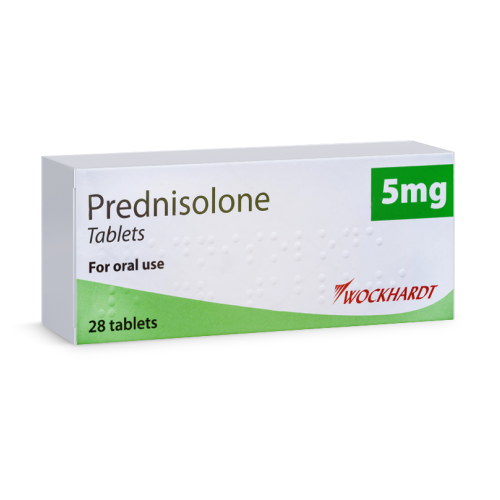
Can Prednisolone Be Obtained Without a Prescription in the United Kingdom?
Prednisolone is a prescription-only medication in the United Kingdom and cannot be legally obtained without a valid prescription from a registered medical practitioner.
Key Takeaways: What You Need to Know About Prednisolone in the UK
- Prescription only: You must have a prescription from a UK-registered doctor to obtain Prednisolone.
- Most effective for: Short-term management of moderate to severe inflammation, autoimmune diseases, and acute allergic reactions under specialist supervision.
- Safety first: Long-term or high-dose use can lead to significant side effects—always discuss risks and benefits with your doctor.
- Results timeline: Symptom relief may be rapid (within hours to days), but underlying conditions often require ongoing monitoring.
- When to seek help: Promptly contact your healthcare provider if you develop signs of infection, mood changes, or unusual physical symptoms during treatment.
- Main benefit: Reduces harmful inflammation when other treatments are insufficient or not tolerated.
How Does Prednisolone Work? Understanding Its Mechanism of Action
Prednisolone is a synthetic glucocorticoid—a class of steroid hormones that modulate inflammation and immune responses. Prednisolone binds to intracellular glucocorticoid receptors, forming a complex that translocates to the cell nucleus. Here, it regulates the transcription of anti-inflammatory proteins and suppresses genes involved in the inflammatory cascade, particularly nuclear factor kappa B (NF-κB) and activator protein-1 (AP-1) signalling pathways.
This action leads to a reduction in the synthesis of key inflammatory mediators such as prostaglandins, leukotrienes, and cytokines. Additionally, Prednisolone decreases the migration of immune cells to inflamed tissues and inhibits the activity of lymphocytes and macrophages.
Metaphor: Think of Prednisolone as a highly skilled firefighter who quickly arrives at the scene, suppresses the flames of inflammation, and prevents further damage, but can also inadvertently affect other building systems (side effects) if not used carefully.
Prednisolone does not require external triggers or conditions to be effective. It acts systemically, influencing bodily processes once absorbed and distributed.
Many Patients Overestimate How Quickly Prednisolone Will Solve Chronic Inflammation
In clinical practice, I find that patients often expect Prednisolone to provide complete and rapid relief from all symptoms, regardless of the underlying cause. While some acute inflammatory conditions respond dramatically within hours, chronic or autoimmune diseases may show only gradual improvement or require additional therapies. Importantly, patients rarely ask about the long-term risks associated with steroids or what signs to monitor for complications. Many are unaware that symptom relief does not always equate to disease control, and that regular monitoring—even when they feel well—is essential. In my experience, discussing these nuances early prevents disappointment, non-adherence, and potential harm.
How Should Prednisolone Be Taken? Dosing, Duration, and Timing in UK Clinical Practice
Prednisolone dosing is always individualised based on the disease, severity, and patient-specific factors. The following is a general guide, but your doctor will determine the optimal dose and regimen for you.
- Usual starting dose: For acute conditions (e.g., severe asthma, exacerbations, allergic reactions), adults may receive 20–40 mg once daily, reducing as symptoms improve. For chronic diseases (e.g., rheumatoid arthritis), starting doses are often lower (5–15 mg daily).
- Maximum daily dose: Should not exceed 80 mg/day, except in rare, life-threatening situations and always under specialist supervision.
- Dose tapering: Prednisolone must not be stopped abruptly after prolonged use (>3 weeks); gradual dose reduction is necessary to prevent adrenal insufficiency.
- Elderly and organ impairment: Lower starting doses and slower titration are recommended for older adults and those with hepatic or renal impairment. Close monitoring is essential.
- Formulations: Tablets are usually scored and can be split if needed, but always check with your pharmacist regarding your specific brand.
- Duration of action: Typically 12–36 hours per dose; peak plasma concentrations occur 1–2 hours after oral administration.
Always follow your doctor’s instructions precisely and report any unexpected symptoms promptly.
How Does Food, Alcohol, and Lifestyle Affect Prednisolone Absorption and Safety?
Food interactions: Prednisolone may be taken with or after food to reduce gastrointestinal discomfort. High-fat meals do not significantly delay absorption, but consistent timing relative to meals is recommended for stable blood levels.
- Grapefruit juice: No significant interaction. Unlike some other medications, grapefruit does not affect Prednisolone metabolism.
- Alcohol: Moderate alcohol consumption (one unit a day) is not strictly prohibited, but combining with Prednisolone may increase the risk of gastrointestinal bleeding and peptic ulcers, especially with prolonged use. Heavy alcohol use should be avoided.
- Caffeine: No direct interaction, but large quantities may worsen steroid-induced insomnia or anxiety.
Maintain a healthy lifestyle: eat a balanced diet, limit salt intake to reduce fluid retention, and engage in regular weight-bearing exercise to counteract steroid-induced bone loss.
When Should Prednisolone Be Avoided? Absolute and Relative Contraindications
Prednisolone is not appropriate for everyone. Some conditions absolutely preclude its use, while others require careful risk–benefit analysis.
Absolute contraindications:- Systemic fungal infections (risk of uncontrolled spread).
- Known hypersensitivity to Prednisolone or any excipients in the formulation.
- Active, untreated tuberculosis.
- Uncontrolled diabetes mellitus (Prednisolone can worsen blood sugar control).
- Severe hypertension or heart failure (risk of fluid retention and blood pressure increase).
- Active peptic ulcer or recent gastrointestinal bleeding.
- Severe osteoporosis or history of fragility fractures.
- Current or recent serious infections (viral, bacterial, or parasitic).
- History of psychiatric illness (can exacerbate mood disorders or psychosis).
Prednisolone may sometimes be used after myocardial infarction (heart attack) under specialist supervision if benefits outweigh risks, but is generally avoided in the acute post-infarct period due to risk of arrhythmias and poor wound healing.
What Side Effects Are Most Common with Prednisolone?
All medications carry risks, and Prednisolone’s side effect profile is broad, especially with higher doses or long-term use. Side effects are classified by frequency:
- Very common (>1 in 10): Increased appetite, weight gain, mood changes (irritability, euphoria), insomnia, elevated blood glucose.
- Common (1 in 10 to 1 in 100): Fluid retention (swollen ankles), hypertension, muscle weakness, indigestion, acne, delayed wound healing, increased susceptibility to infections.
- Rare (<1 in 1,000): Glaucoma, cataracts, avascular necrosis of bone (especially hip), psychosis, peptic ulcers, gastrointestinal bleeding.
- Very rare (<1 in 10,000): Adrenal suppression (especially after abrupt withdrawal), severe allergic reactions (anaphylaxis).
Mechanisms: For example, mood changes and insomnia result from steroid-induced alterations in brain neurotransmitter levels. Fluid retention is due to mineralocorticoid effects on the kidneys.
What to do: If you experience any of the following, seek urgent medical attention: fever or signs of infection, new or worsening psychiatric symptoms, severe abdominal pain, sudden vision problems, or severe allergic reactions (swelling, difficulty breathing).
Frequent Pitfalls When Taking Prednisolone: Avoiding Real-World Errors
- Stopping treatment abruptly: Many patients discontinue Prednisolone suddenly after feeling better. This can lead to adrenal crisis, a potentially life-threatening condition. Always taper as instructed by your doctor.
- Taking doses at inconsistent times: Irregular timing leads to fluctuating steroid levels and unpredictable control of symptoms. Take your dose at the same time each day, preferably in the morning.
- Ignoring infection risk: Some patients overlook minor symptoms such as a sore throat or fever. Even mild infections can escalate quickly due to immune suppression—report such symptoms immediately.
- Self-adjusting the dose: Increasing or decreasing the dose without medical advice can compromise disease control or increase side effects. Any changes must be made by your doctor.
- Poor bone health management: Neglecting calcium/vitamin D supplementation or weight-bearing exercise increases risk of osteoporosis and fractures, especially with prolonged therapy.
- Overlooking eye symptoms: Blurred vision, eye pain, or redness may signal glaucoma or cataracts—see an ophthalmologist promptly if these occur.
How Does Prednisolone Compare to Other Anti-inflammatory Treatments? (UK-Specific Data)
| Medication | Usual Onset | Duration of Effect | Common Side Effects | Price per 5mg tablet (GBP) | Prescription Required? |
|---|---|---|---|---|---|
| Prednisolone | 6–24 hours | 12–36 hours | Weight gain, mood changes, high blood sugar | £0.10–0.40 | Yes |
| Dexamethasone | 6–24 hours | 36–54 hours | Similar; potentially longer-lasting effects | £0.15–0.60 | Yes |
| Hydrocortisone | 1–2 hours | 8–12 hours | Salt retention, fluid overload, less potent anti-inflammatory | £0.12–0.45 | Yes |
| Methylprednisolone | 6–24 hours | 12–36 hours | Similar to Prednisolone, slightly different profile | £0.20–0.80 | Yes |
Prednisolone offers a balance of potent anti-inflammatory effects with a relatively lower risk of fluid retention than hydrocortisone, but more risk of metabolic side effects compared to some alternatives. Dexamethasone is longer acting but can cause more pronounced mood and sleep disturbances.
Prednisolone: Technical Profile and Storage Guide
| Parameter | Value |
|---|---|
| Available strengths (UK) | 1 mg, 5 mg, 10 mg, 25 mg tablets; liquid suspension for paediatric use |
| Formulation | Oral tablet, oral liquid, occasionally injection (hospital only) |
| Storage | Below 25°C, in original packaging, away from light/moisture |
| Peak plasma time | 1–2 hours after oral administration |
| Half-life (T1/2) | 2–4 hours (effects last much longer due to gene regulation) |
| Metabolism | Liver (CYP3A4 mediated) |
| Excretion | Kidneys, primarily as inactive metabolites |
| Driving/machinery caution | May impair judgment or concentration if causing insomnia or mood changes |
Prednisolone and Other Medicines: Compatibility Checklist
| Type of Product | Can It Be Combined? | Possible Consequences |
|---|---|---|
| Ibuprofen/NSAIDs | With caution | Increased risk of stomach ulcers/bleeding |
| Paracetamol | Yes | No significant interaction |
| Warfarin/Anticoagulants | With caution | May alter blood clotting—monitor INR |
| Insulin/Oral antidiabetics | With caution | May require higher doses to control blood sugar |
| Live vaccines | NO | Risk of severe infection—avoid during treatment |
| Alcohol | With caution | Increased risk of gastrointestinal irritation |
How Is Prednisolone Processed in the Body? (Pharmacokinetics Simplified)
After oral administration, Prednisolone is rapidly absorbed from the gut, reaching peak levels in the blood within 1–2 hours. It is extensively metabolised in the liver by the CYP3A4 enzyme system and then excreted primarily via the kidneys as inactive metabolites. The plasma half-life is short (2–4 hours), but its clinical effects last much longer due to its impact on gene expression and protein synthesis—this explains why a single dose can have lasting anti-inflammatory effects for up to 36 hours.
For individuals with liver or kidney impairment, drug elimination may be slower, warranting dose adjustments and closer monitoring.
Is Prednisolone Safe for Everyone? Special Considerations for Specific Patient Groups
- Children: Use only under specialist guidance; prolonged use may impair growth and increase risk of bone weakness.
- Elderly: Higher risk of osteoporosis, muscle weakness, confusion, and infections. Start at lower doses where possible.
- Pregnancy and breastfeeding: May be used when benefits outweigh risks, but lowest effective dose is preferred. Discuss with your obstetrician.
- Fertility: No direct evidence of long-term effects on fertility, but high-dose, prolonged use may disrupt menstruation or sperm production.
- Driving and machinery: May impair concentration or alertness if causing insomnia or mood disturbance—be cautious until you know how it affects you.
- Chronic conditions (diabetes, hypertension, osteoporosis): Close monitoring and proactive management of underlying conditions are necessary, as Prednisolone may exacerbate these illnesses.
Original vs Generic Prednisolone in the UK: What’s the Difference?
Prednisolone is off-patent, and multiple generic versions are available in the United Kingdom. Generics must meet strict MHRA (Medicines and Healthcare products Regulatory Agency) bioequivalence standards, meaning they contain the same amount of active ingredient and are expected to have the same therapeutic effect as branded formulations.
- Excipients: Generic and branded tablets may differ in fillers, dyes, or coatings. Rarely, some individuals may react to these excipients—check with your pharmacist if you have known allergies.
- Cost: Generics are usually less expensive (£0.10–0.20 per 5mg tablet vs. £0.30–0.40 for some branded versions) and widely available via NHS prescriptions.
- Effectiveness: No clinically meaningful difference has been demonstrated in multiple head-to-head studies between original and generic Prednisolone in terms of efficacy or safety (NHS).
Generics are a cost-effective and safe choice for most people.
How to Spot a Genuine Prednisolone Product and Avoid Counterfeit Medicines
Counterfeit medicines are an increasing risk, especially from unregulated online sources. In the UK, all legitimate medicines should have the following features:
- Clear blister packaging with batch number and expiry date matching the outer box.
- Consistent tablet colour (usually white or off-white), shape, and engraving as stated in the patient leaflet.
- MHRA-approved packaging with a unique barcode and, often, a tamper-evident seal; some brands also include a hologram or QR code for verification.
- Price that aligns with NHS prescription charges or reputable pharmacy rates (£0.10–0.40 per tablet); unusually low prices are a red flag.
If in doubt, consult your pharmacist before using the medicine. Generics are legitimate if dispensed by a licensed UK pharmacy.
Step-by-Step: How to Obtain Prednisolone Legally in the United Kingdom
- Consultation: See your GP or specialist (in person or, where appropriate, via NHS-approved telemedicine).
- Assessment: Your doctor assesses your symptoms, medical history, and determines if Prednisolone is appropriate.
- Prescription: If indicated, a prescription is issued electronically or on paper.
- Dispensing: Take your prescription to a registered pharmacy (or use an NHS-approved online pharmacy).
- Pharmacist counselling: The pharmacist explains how to take Prednisolone, reviews possible interactions (especially with your existing medicines), and advises on monitoring requirements.
- Follow-up: Attend any scheduled reviews to monitor response and side effects; adjust your dose only under medical supervision.
How Can I Check If an Online Pharmacy Selling Prednisolone Is Legitimate in the UK?
Only pharmacies registered with the General Pharmaceutical Council (GPhC) or displaying the official “distance selling pharmacy” logo are authorised to sell prescription medicines online in the UK (GPhC).
- Check the registration: Look for the GPhC number and verify it on the official GPhC website.
- Beware of unregulated sites: Avoid sellers offering Prednisolone without a prescription, as such products may be counterfeit, contaminated, or ineffective.
- Red flag warning signs: No pharmacist contact information, no physical UK address, prices vastly below NHS rates, or offers of bulk discounts for prescription medications.
- Consumer protection: Purchases from unlicensed sites are not protected by UK consumer laws and may be confiscated by UK customs.
Always prioritise your safety—use only regulated pharmacies for prescription medicines.
Myth vs Reality: Prednisolone and Immediate Relief
- Myth: Prednisolone will always make symptoms disappear overnight.
- Reality: While many conditions improve within hours to days, some diseases require longer courses, and full recovery may depend on treating the underlying cause.
- Myth: Side effects only occur with long-term use.
- Reality: Some side effects (such as mood changes or blood sugar elevation) can occur even with short courses, particularly at higher doses.
What Should I Do If I Suspect an Overdose of Prednisolone?
- Stop taking Prednisolone immediately.
- Contact emergency services (NHS 111 or 999) and state the dose and timing of ingestion.
- Provide the packaging or prescription details to the medical team.
- Do not try to induce vomiting unless advised by a healthcare professional.
Symptoms of acute overdose may include confusion, high blood pressure, electrolyte imbalance, or severe mood changes. Chronic overdose can cause muscle weakness, skin thinning, and immune suppression. Prompt medical assessment is vital.
How Does It Feel to Take Prednisolone? Patient Experience and Psychological Support
Living with inflammation or an autoimmune disorder can be both physically and mentally challenging. Many people experience frustration, anxiety, or low mood due to their condition or the side effects of treatment. Remember, these feelings are common and nothing to be ashamed of. Discussing your experiences openly with your healthcare provider—or with trusted friends, family, or a mental health professional—can help you manage emotional as well as physical symptoms.
Questions Patients Often Ask doctor About Prednisolone Therapy
- How will I know if Prednisolone is working for me?
- Improvement is usually signalled by a reduction in your most troublesome symptoms—such as less pain, swelling, or breathing difficulty—often within 24–72 hours. Your doctor will also monitor blood tests and other objective markers of disease activity.
- What should I do if I miss a dose?
- If you remember within a few hours, take it as soon as possible. If it’s nearly time for your next dose, skip the missed dose—never double up. Inform your doctor if you miss more than one dose in a week.
- Will I have to take Prednisolone for life?
- Most patients take Prednisolone for the shortest time possible to control inflammation, then taper off. Some chronic illnesses may require ongoing low-dose therapy, but this is always reassessed regularly.
- Can I continue my usual activities while on Prednisolone?
- Usually yes, but listen to your body. If you feel unwell or develop side effects, reduce strenuous activity and discuss concerns with your doctor.
- How do you monitor for side effects?
- I routinely check your blood pressure, blood sugar, weight, and sometimes bone density or eye health—especially with long-term or high-dose treatment.
- Is it safe to have vaccinations while on Prednisolone?
- Most non-live vaccines are safe. However, live vaccines should be avoided during high-dose steroid therapy. Always consult your GP or specialist before receiving any vaccinations.
- Should I be worried about weight gain?
- Weight gain is a common side effect, especially with higher doses or prolonged use. Maintaining a balanced diet and regular exercise helps, but some weight gain might be unavoidable for certain conditions.
Professional Assessment by doctor: Prednisolone in Specialist Inflammatory Disease Care
In my clinical judgement, Prednisolone remains a cornerstone for rapid control of acute, severe inflammatory and autoimmune conditions—such as severe asthma attacks, acute flares of rheumatoid arthritis, or life-threatening allergic reactions. Patients most likely to benefit are those with acute disease requiring swift control, or individuals for whom alternative therapies have failed or are contraindicated. However, I am very cautious about long-term use, particularly in older adults or those with pre-existing diabetes, osteoporosis, or psychiatric history, where the risk of complications is highest.
For mild to moderate chronic inflammation, I often consider non-steroidal options first, such as disease-modifying drugs or targeted biologics, due to the potential for cumulative steroid toxicity. If Prednisolone is required, I aim for the lowest effective dose and shortest possible duration, with vigilant monitoring and proactive measures to prevent side effects (bone protection, infection prevention, regular reviews). In summary, Prednisolone is invaluable for short-term “firefighting” of serious inflammation but must be used judiciously and with clear communication about risks and alternatives.
Frequently Asked Questions About Prednisolone in the UK
Is Prednisolone available over the counter in the UK?
No. Prednisolone is a prescription-only medicine in the United Kingdom. It must be prescribed by a registered doctor and dispensed by a licensed pharmacy.
How quickly does Prednisolone relieve symptoms?
Most people experience improvement in symptoms such as swelling, pain, or breathing difficulty within 24 to 72 hours of starting treatment.
What are the most common side effects?
Common side effects include increased appetite, mood changes (such as irritability or insomnia), weight gain, fluid retention, and higher blood glucose. Not everyone will experience these, and your doctor will advise on risk reduction.
Can Prednisolone be used during pregnancy or breastfeeding?
Prednisolone may be used if the benefits outweigh potential risks. The lowest effective dose is preferred. Discuss with your GP or specialist before starting or continuing therapy.
Is there a difference between branded and generic Prednisolone?
No meaningful difference in effectiveness or safety. Generics are regulated, bioequivalent, and offer a cost-effective alternative, provided they are dispensed by an NHS pharmacy.
What should I do if I develop signs of infection while on Prednisolone?
Contact your doctor immediately. Prednisolone can mask infection symptoms and suppress your body’s response, potentially making infections more serious.
Can I drink alcohol while taking Prednisolone?
Limited alcohol (one unit per day) is not strictly forbidden, but excessive drinking increases risks of gastrointestinal complications. Discuss your alcohol intake with your doctor.
How much does Prednisolone cost on the NHS?
For most people, the cost is covered by the standard NHS prescription charge (currently £9.65 per prescription item in England as of 2026), or free for eligible groups. The cost per tablet is £0.10–0.40, but may vary by pharmacy and formulation.
Are there alternatives to Prednisolone for inflammation?
Yes. Other corticosteroids (like dexamethasone or methylprednisolone), non-steroidal anti-inflammatories (NSAIDs), and newer targeted therapies may be considered depending on your diagnosis and patient profile.
Can Prednisolone affect my ability to drive?
If you experience drowsiness, confusion, or mood changes, it may impair your ability to drive safely. Always assess your personal response before operating machinery or vehicles.
References
- National Institute for Health and Care Excellence (NICE), Prednisolone: summary of prescribing information. Accessed 2026.
https://www.nice.org.uk/ - Medicines and Healthcare products Regulatory Agency (MHRA). Official product information for Prednisolone. Accessed 2026.
https://www.gov.uk/government/organisations/medicines-and-healthcare-products-regulatory-agency - NHS Clinical Knowledge Summaries, Corticosteroids – oral. Updated 2026.
https://cks.nice.org.uk/topics/corticosteroids-oral/ - British National Formulary (BNF), Prednisolone monograph. Accessed June 2026.
https://bnf.nice.org.uk/ - European Medicines Agency (EMA), Prednisolone assessment report. Accessed 2026.
https://www.ema.europa.eu/ - PubMed: Hodge et al., “Comparative efficacy and safety of oral corticosteroids for inflammatory conditions: A 2024 systematic review”, Ann Intern Med, 2024.
https://pubmed.ncbi.nlm.nih.gov/ - WHO, Model List of Essential Medicines (2025). Prednisolone. Accessed 2026.
https://www.who.int/ - Mayo Clinic, Prednisolone: MedlinePlus Drug Information, 2026.
https://www.mayoclinic.org/drugs-supplements/prednisolone-oral-route/description/drg-20075249