
- Home/
- Buy Antabuse Online in the United Kingdom – Fast UK Delivery
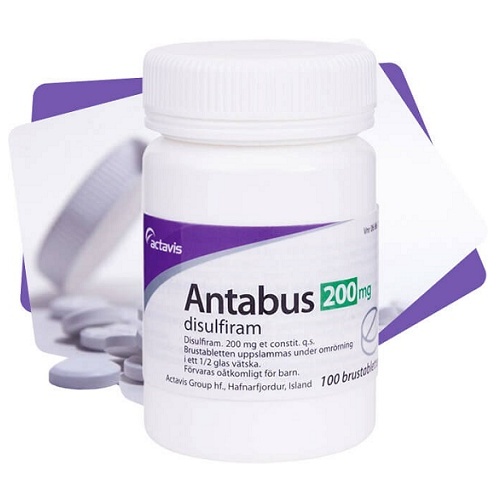
| Name of the medicine | Antabuse |
|---|---|
| Main ingredient | Disulfiram |
| Intended use | Treatment of alcohol dependence |
| Strengths available | 200 mg, 400 mg tablets |
| How quickly it acts | Effects appear within 30 minutes to a few hours after alcohol is consumed |
| Length of action | Up to 1–2 weeks after last dose |
| Administration schedule | Typically once daily |
| Prescription status in the UK | Prescription required (regulated by the MHRA) |
Antabuse: Alcohol Dependence Treatment Options in the United Kingdom
Antabuse, containing the active compound disulfiram, is a long-standing medication prescribed for supporting people with alcohol dependence. Its use is regulated and legal in the United Kingdom when prescribed by a healthcare professional. Antabuse is intended to assist individuals seeking to maintain abstinence from alcohol by creating a physical deterrent to drinking.
Alcohol dependence: understanding the scale and reality in the UK
Alcohol dependence is a medical condition with significant personal and social consequences, affecting people from all walks of life. According to the Office for National Statistics, 2023, approximately 602,000 adults in England alone show signs of alcohol dependence. The NHS reports that alcohol-related harm is responsible for over 7,500 deaths annually in the UK. These figures underscore that alcohol dependence is not rare or a matter of weak willpower—it is a common, treatable health issue. Effective treatments exist, and many people regain control over their lives with appropriate support and interventions.
How Antabuse works: mechanism and what it means for you
Disulfiram, the key substance in Antabuse, interrupts the body’s normal way of processing alcohol. Under typical circumstances, alcohol is broken down in the liver to acetaldehyde, then further converted to harmless acetic acid. Disulfiram blocks the enzyme (acetaldehyde dehydrogenase) responsible for this second step. As a result, if alcohol is consumed while on Antabuse, acetaldehyde builds up rapidly in the body. This causes an immediate and very unpleasant reaction: flushing, nausea, vomiting, pounding headache, palpitations, and even low blood pressure. The purpose is not to punish, but to reinforce abstinence by making drinking physically unrewarding.
For the person taking Antabuse, this means that if any alcohol is ingested—even small amounts—the reaction occurs within minutes to a few hours. The deterrent effect remains for up to two weeks after the last tablet. In practical terms, Antabuse does not reduce cravings, but it acts as a strong safety net to support a decision to stay alcohol-free, especially in situations of high risk or temptation.
Is Antabuse right for me? Key scenarios and when to consider other options
| Situation | Recommendation | Reason |
|---|---|---|
| You are highly motivated to stop drinking and want a strong deterrent | Antabuse may be appropriate | It provides a physical barrier to drinking, reinforcing abstinence when willpower is tested |
| You struggle with craving and cannot reliably avoid alcohol | Consider alternative medications | Antabuse does not reduce craving; medications such as acamprosate or naltrexone may be more suitable |
| There is a risk you might drink impulsively despite advice | Use with caution—or under supervision | The disulfiram-alcohol reaction can be dangerous if large amounts of alcohol are consumed |
| You have significant heart, liver, or psychiatric issues | Antabuse is not recommended | Medical conditions may increase the risk of serious side effects |
| You prefer a daily medication as a reminder of your commitment | Antabuse fits this need | Daily dosing creates a regular structure and accountability |
| You are pregnant, breastfeeding, or planning to become pregnant | Antabuse should be avoided | Safety in pregnancy and lactation is not established |
This table offers practical guidance: if your main challenge is resisting social or habitual drinking, Antabuse can be effective. If cravings are overwhelming or there is a risk of secretive drinking, a different approach is safer. Always discuss your medical and mental health history with a healthcare professional before starting Antabuse.
Putting Antabuse into practice: daily use and real-world advice
- How to take: Take Antabuse once daily, usually in the morning, exactly as prescribed. Swallow with water; food is not required but may reduce stomach discomfort.
- Before starting: Ensure you have not drunk alcohol for at least 24 hours. Even small amounts can trigger a reaction.
- What to avoid: Hidden alcohol sources—cough syrups, sauces, mouthwashes, perfumes, and some foods—can cause a reaction. Always check labels and ask a pharmacist if unsure.
If you miss a dose: Take the next dose at your usual time. Do not double up. If you miss more than two days, inform your prescriber before restarting—your sensitivity to alcohol may be altered.
If it does not work for you: If you feel no deterrent or continue to drink, you may need a different medication or additional psychological support. Antabuse is most effective when combined with counselling or structured support.
What is expected: Some mild side effects, such as tiredness or metallic taste, are common and usually settle. The main effect is only noticeable if alcohol is consumed. Never test the reaction deliberately, as it can be severe.
When to get help: If you experience persistent vomiting, chest pain, confusion, or signs of an allergic reaction (such as rash, swelling of lips or tongue, or difficulty breathing), stop the medication and seek immediate medical attention.
Who should not take Antabuse? Understanding contraindications
- Severe heart disease: Not recommended, as the disulfiram-alcohol reaction can worsen cardiac problems and cause arrhythmias or very low blood pressure.
- Advanced liver disease: Antabuse is processed in the liver. People with liver failure may experience toxicity or worsening of liver function.
- Active psychosis or severe depression: Disulfiram may worsen psychiatric symptoms or interact unpredictably with certain psychiatric medicines.
- Pregnancy and lactation: There is insufficient data on safety; avoid unless specifically advised otherwise by a specialist.
- Hypersensitivity to disulfiram or related compounds: Allergic reactions can be severe.
- Children and adolescents: Not indicated for under-18s due to lack of safety and efficacy data.
These restrictions exist to protect you from potentially serious adverse effects. A full review of your medical history is essential before starting Antabuse.
Possible side effects: what to expect and when to worry
- Common (often mild): Metallic or garlic-like taste, drowsiness, headache, mild skin rash, tiredness.
- Less common (may need attention): Visual disturbances, mood changes, nerve tingling or numbness, liver enzyme changes.
- Rare but serious: Severe allergic reaction (swelling, breathing difficulty); signs of liver damage (yellowing of eyes/skin, severe abdominal pain); psychosis.
Most mild side effects disappear as your body adjusts. However, if you experience severe symptoms, especially after drinking alcohol while on Antabuse, such as chest pain, breathing difficulty, confusion, or collapse, this may signal a dangerous reaction. In the United Kingdom, call NHS 111 for urgent advice or 999 in emergencies.
Drug and food interactions: what to avoid alongside Antabuse
- Alcohol (in any form): Strictly prohibited. Even topical or ingested sources (e.g., cough medicines, some desserts) can provoke a reaction.
- Medications: Caution with warfarin (increased anticoagulant effect), some anticonvulsants, isoniazid, metronidazole (risk of confusion/neurological effects). Always inform your doctor of all medications and supplements you use.
- Caffeine and some antidepressants: May increase side effects such as anxiety or restlessness. Monitor closely if used together.
Your pharmacist or prescriber will review your medication list to minimise risks. Never start or stop medicines without professional advice when taking Antabuse.
Antabuse and its alternatives: honest comparison
| Medication | Main action | Best for | Limitations |
|---|---|---|---|
| Antabuse (Disulfiram) | Deters drinking by triggering unpleasant physical reaction with alcohol | People committed to abstinence who need physical deterrence | Does not reduce craving; risk of dangerous reaction if alcohol is consumed; not suitable for certain health conditions |
| Naltrexone | Reduces rewarding effects and cravings for alcohol | Those who struggle with strong cravings or repeated relapse | Must avoid in liver failure; does not create an aversive reaction; daily use required |
| Acamprosate | Stabilises brain chemistry to reduce desire to drink | Maintaining abstinence after withdrawal; reducing relapse risk | Less effective if not combined with psychosocial support; three times daily dosing |
| Psychosocial therapies | Counselling, cognitive behavioural therapy, group support | Essential adjunct for all medication options | May not be sufficient alone for severe dependence |
Antabuse stands out when a clear, immediate deterrent is required, but it is not universally the best choice. Those with strong cravings, complicated medical backgrounds, or a history of poor medication adherence may fare better with other medical or psychological interventions. The most effective treatment plans are tailored to individual needs and often combine medication with structured support.
How to obtain Antabuse in the UK: prescriptions, prices, and what to expect
In the United Kingdom, Antabuse can only be legally obtained with a prescription, as regulated by the Medicines and Healthcare products Regulatory Agency (MHRA). It is not available over the counter. After consultation with a qualified GP or addiction specialist, a prescription will be provided if appropriate. Some online pharmacies in the UK offer Antabuse as part of a telemedicine service, requiring an online assessment and verification.
| Expense | Amount (£) | Context |
|---|---|---|
| Consultation fee (private GP/telemedicine) | £25–£60 | Often required for prescription if not using NHS |
| NHS prescription charge | £9.65 (standard) | Per item in England; free in Scotland, Wales, NI |
| Antabuse tablets (28 x 200 mg) | £30–£50 | Price varies by pharmacy and supplier |
| Delivery (if ordered online) | £3–£7 | Standard delivery within UK |
| Total | £42.65–£126.65 | Depending on private/NHS route and delivery |
Buying Antabuse without a prescription is not legal in the UK, and unauthorised sources may supply counterfeits or unsafe products. Authentic UK-licensed pharmacies require proof of prescription, whether obtained through your GP or an online assessment. Generic disulfiram is available and may be supplied by various NHS and private pharmacies. Always verify registration of any online seller with the General Pharmaceutical Council.
Final considerations: practical questions answered
- Can I stop taking Antabuse suddenly? Yes, but always inform your prescriber. The deterrent effect persists for up to two weeks after the last dose.
- Is it safe to drive or operate machinery? If you experience drowsiness or visual changes, avoid these activities.
- What about future travel or social events? Plan ahead—inform others you are taking Antabuse to avoid accidental alcohol consumption, especially in unfamiliar settings.
- How is my privacy protected? In the UK, all medical consultations and prescriptions are confidential under NHS and Data Protection laws.
No single treatment fits everyone. For many, Antabuse is a valuable tool in a wider recovery journey. Treatment choices should be made with an experienced healthcare professional, factoring in your personal history, preferences, and health needs.