
- Home/
- Buy Glucophage Online in the United Kingdom Safely and Easily
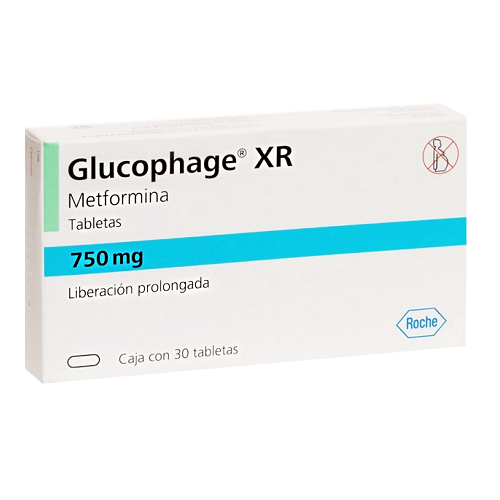
Can Glucophage Be Obtained Without a Prescription in United Kingdom?
No, Glucophage (metformin) is a prescription-only medicine in the United Kingdom. It is illegal and unsafe to obtain Glucophage without a valid prescription from a qualified medical practitioner. Attempting to buy it without a prescription, including from unregulated online sources, puts you at risk of legal consequences and counterfeit products.
Key Facts About Glucophage (Summary Table)
| Parameter | Glucophage Details (2026, UK) |
|---|---|
| Active Ingredient | Metformin hydrochloride |
| Main Use | Treatment of Type 2 Diabetes Mellitus |
| Prescription Status UK | Prescription-only |
| Onset of Action | Within days (full effect after several weeks) |
| Most Common Side Effects | Gastrointestinal (nausea, diarrhoea) |
| Absolute Contraindication | Severe renal impairment (eGFR <30 ml/min/1.73m²) |
| UK Packaging | Tablets: 500 mg, 850 mg, 1000 mg; extended-release available |
| Typical NHS Cost (per month) | £1–£3 for generics (NHS prescription charge applies where relevant) |
Bottom line: Glucophage is a well-established, cost-effective, first-line treatment for type 2 diabetes in the UK, but it must only be taken under medical supervision.
How Does Glucophage Work in the Body?
Glucophage’s active ingredient, metformin, belongs to the biguanide class of antidiabetic medications. Unlike insulin or sulphonylureas, metformin does not directly stimulate insulin production. Instead, its primary action is to decrease hepatic (liver) glucose output by inhibiting the mitochondrial respiratory chain (complex I), leading to reduced gluconeogenesis. In simpler terms: it tells the liver to make less sugar.
Additionally, metformin improves insulin sensitivity in peripheral tissues (muscle and fat cells), enabling the body to use glucose more efficiently. It does this, in part, by increasing the activity of AMP-activated protein kinase (AMPK), a key cellular energy sensor. Metformin also reduces intestinal absorption of glucose.
Metaphor: Imagine your body as a city. Glucophage tells the liver’s “sugar factories” to slow down production, helps the “sugar delivery trucks” (cells) use their cargo more efficiently, and closes a few “side doors” so less sugar sneaks in from the gut.
Glucophage does not cause hypoglycaemia (dangerously low blood sugar) when used alone because it does not boost insulin release.
Clinical note: Glucophage requires ongoing use and appropriate diet/exercise to be most effective. It does not cure diabetes but helps control blood glucose levels in the long term.
Recent research (2024, PubMed) continues to support metformin’s additional cardiovascular and weight-neutral effects, making it a mainstay in international and UK guidelines for first-line management of type 2 diabetes.
Does Glucophage need food or exercise to work? No, but its benefits are maximised in combination with healthy lifestyle changes.
Expert Commentary from doctor
“In day-to-day practice, I see patients who believe Glucophage is a quick fix for high blood sugar, but that’s a misconception. The medication is most effective when combined with consistent lifestyle improvement—especially regular physical activity and balanced nutrition. I often encounter people who stop taking their tablets because of mild stomach upset at the start; I advise taking Glucophage with or after food, which greatly improves tolerance. It’s also crucial to check kidney function before starting and regularly during long-term therapy. Many patients aren’t aware that metformin can interact with contrast dyes used in scans, so always inform your healthcare team if you’re having medical imaging. Finally, never adjust your dose or stop Glucophage without medical advice: abrupt changes can destabilise your glucose control.”
How Should Glucophage Be Taken? Dosage and Administration in United Kingdom
- What are the standard starting doses?
- The usual starting dose is 500 mg once or twice daily with meals. In some cases, 850 mg may be used for initial therapy.
- How is the dose adjusted?
- The dose is increased by 500 mg every 1–2 weeks, based on blood glucose response and gastrointestinal tolerance. The maximum daily dose is 2000–3000 mg (depending on formulation), split over 2–3 doses.
- How long until Glucophage works?
- Initial blood sugar improvements can be seen within days, but maximum effect may take up to 2–4 weeks.
- When should Glucophage be taken?
- Always take Glucophage with or after food. This reduces the risk of stomach upset.
- Can the tablet be split?
- Standard tablets can be split if scored, but extended-release (XR, SR) tablets must not be split or crushed as this alters absorption.
- What about elderly patients?
- Lower starting doses and regular kidney function checks are recommended. Dose adjustment may be required for those over 80 years or with reduced renal function.
Never exceed the maximum recommended dose. Overdosing increases the risk of lactic acidosis, a rare but life-threatening complication.
How Do Food and Lifestyle Affect Glucophage?
| Factor | Effect on Glucophage | Practical Advice |
|---|---|---|
| Taking with food | Reduces gastrointestinal side effects | Always take with or after meals |
| High-fat meal | No significant impact on absorption | No need for special diet, but balanced meals recommended |
| Alcohol | Increases risk of lactic acidosis | Limit to minimal intake; avoid binge drinking |
| Grapefruit juice | No clinically significant interaction | No special restriction required |
| Exercise | Improves glucose control, adds to efficacy | Regular activity recommended, but avoid extreme fasting |
Key Takeaway: Glucophage is best taken with food. While dietary fat does not hinder absorption, alcohol must be used cautiously—rarely and in small quantities—to avoid severe complications. There is no interaction with grapefruit juice, unlike with many other medications.
Who Should NOT Take Glucophage? Absolute and Relative Contraindications
| Type | Condition | Explanation |
|---|---|---|
| Absolute | Severe kidney impairment (eGFR <30 ml/min/1.73m²) | Dangerously increased risk of lactic acidosis; kidneys can’t remove metformin efficiently |
| Absolute | Acute metabolic acidosis (e.g., diabetic ketoacidosis, lactic acidosis) | Can worsen underlying metabolic disturbances |
| Absolute | Recent serious illness, surgery, or severe infection | Increased risk of kidney/liver dysfunction and acidosis |
| Absolute | Known hypersensitivity to metformin or excipients | Risk of severe allergic reaction |
| Relative | Moderate renal impairment (eGFR 30–45) | May be continued at reduced dose with close monitoring |
| Relative | Liver dysfunction | Increased risk of lactic acidosis |
| Relative | Alcohol abuse | Combined effect raises risk of metabolic complications |
| Relative | Heart failure (unstable or acute) | May precipitate poor oxygen delivery and acidosis |
In short: The most critical “red flag” is severe kidney impairment. Always inform your doctor if you have kidney, liver, or heart problems before starting Glucophage.
What Side Effects Are Most Common with Glucophage?
Like all medicines, Glucophage can cause side effects—though not everyone gets them. Most are mild and temporary, but a few require urgent medical attention.
| Frequency | Side Effect | Mechanism / Notes |
|---|---|---|
| Very common (>1 in 10) |
Diarrhoea, nausea, vomiting, abdominal pain, loss of appetite | Direct irritation of gastric mucosa; usually improves with time |
| Common (1 in 100–10) |
Taste disturbance (metallic taste) | Unknown, possibly related to saliva pH changes |
| Rare (1 in 10,000–1,000) |
Lactic acidosis (medical emergency) | Build-up of lactic acid; higher risk in kidney/liver impairment, alcohol abuse |
| Very rare | Vitamin B12 deficiency with long-term use | Reduced absorption in intestine over years; may cause anaemia, neuropathy |
| Very rare | Allergic skin reactions (rash, itching, urticaria) | Immune-mediated |
What to do if side effects occur?
- Mild stomach upset: Try taking your dose with a larger meal or discuss slow titration with your GP.
- Persistent vomiting, severe diarrhoea, or sudden weakness: Stop Glucophage and seek medical advice – risk of dehydration or lactic acidosis.
- Signs of lactic acidosis: Deep rapid breathing, abdominal pain, muscle cramps, confusion – call 999 immediately.
- Unusual tingling or numbness: Report to your doctor; may indicate vitamin B12 deficiency.
Common Patient Mistakes Observed by doctor
- Stopping Glucophage suddenly without consulting a doctor: This can lead to dangerously elevated blood sugar. Always discuss changes with your GP.
- Not informing radiology staff of metformin use before contrast scans: Some contrast dyes can cause kidney problems with metformin—stop or adjust use as advised by your healthcare team.
- Taking the tablet on an empty stomach: This increases risk of gastrointestinal upset. Always take with or after food.
- Ignoring signs of kidney or liver problems: Not reporting new fatigue, swelling, or yellowing of the skin can be dangerous—these may signal organ dysfunction.
- Using alcohol excessively while on Glucophage: This can trigger lactic acidosis, especially in binge-drinking situations.
- Believing Glucophage alone is enough to control diabetes: A healthy diet and physical activity are essential partners in effective diabetes management.
To avoid these mistakes: Keep regular GP appointments, never self-adjust your dose, always inform medical staff of your medication, and seek advice promptly if you feel unwell.
How Does Glucophage Compare to Alternatives? (Comparison Table)
| Criteria | Glucophage (Metformin) | Gliclazide (Sulphonylurea) | SGLT2 Inhibitor (e.g., Dapagliflozin) |
|---|---|---|---|
| Onset speed | 2–4 weeks for full effect | Few days | ~1 week |
| Duration of action | 8–12 hours per dose (XR: 24h) | 12–24 hours | 24 hours |
| Major side effects | Gastrointestinal, rare lactic acidosis | Weight gain, hypoglycaemia | Genital infections, dehydration |
| Weight impact | Weight-neutral | May cause gain | May cause loss |
| Cost per month (UK, 2026) | £1–£3 (generic) £9.65 (standard NHS script charge per item) |
£2–£5 (generic) | £20–£35 (brand, NHS) |
| Prescription required? | Yes | Yes | Yes |
What it can do vs cannot do: Glucophage is weight-neutral, does not cause hypoglycaemia alone, and is very affordable. It is not suitable for those with significant kidney or liver impairment and does not provide immediate glucose lowering. Alternatives may be considered in patients with specific needs or intolerance to metformin.
Questions Frequently Asked to doctor
- Is it safe to take Glucophage for many years?
- Yes, long-term use is generally safe if you have regular kidney and vitamin B12 checks. Most people remain on it for years without trouble.
- What happens if I miss a dose?
- Take your next dose at the usual time. Never double up to “catch up.” Missing an occasional dose is not dangerous, but frequent missed doses will reduce effectiveness.
- Can I drink alcohol while taking Glucophage?
- Occasional small amounts (e.g., a glass of wine) are rarely problematic, but heavy or binge drinking can be dangerous. Always drink in moderation or abstain.
- Does Glucophage interact with other medicines?
- Some, yes—especially contrast dyes for scans, certain antibiotics, and medicines affecting kidneys or liver. Tell your doctor and pharmacist about all other medicines.
- Is Glucophage safe for people over 65?
- Usually yes, with regular kidney function monitoring and possible dose adjustment. It can be continued unless kidney function declines.
- What if Glucophage upsets my stomach?
- Try taking it with or after a meal, not on an empty stomach. If symptoms persist, your GP may recommend a slow-release version or a slower dose increase.
- Can I stop Glucophage once my blood sugar is controlled?
- No—type 2 diabetes is a chronic condition. Stopping Glucophage usually leads to a rise in blood sugar, unless advised by your doctor.
Key Characteristics of Glucophage (Reference Table)
| Parameter | Value |
|---|---|
| Active ingredient | Metformin hydrochloride |
| Formulations (UK) | Tablets (500, 850, 1000 mg), Extended-release (XR, SR) |
| Standard starting dose | 500 mg once/twice daily |
| Maximum daily dose | 2000–3000 mg (split doses) |
| Renal adjustment needed? | Yes, for eGFR <45; contraindicated <30 |
| Half-life | ~6 hours |
| Metabolism | Not metabolised; excreted unchanged in urine |
| Known generics? | Yes (multiple, NHS-approved) |
| NHS prescription status | Yes, full or partial coverage (where exemption applies) |
How to Obtain Glucophage Legally in United Kingdom: Step-by-Step Guide
- Consult your GP: Book an appointment (in-person or via telephone/video) for assessment and initial diagnosis.
- Laboratory tests: Your doctor will request blood (HbA1c, kidney function) and urine tests.
- Prescription issued: If appropriate, your GP or diabetes specialist will issue an electronic or paper prescription.
- Collect from a registered pharmacy: Present your prescription at any UK community pharmacy (e.g., in London, Manchester, Glasgow). NHS e-prescriptions are accepted nationwide.
- Telemedicine services: Some regulated online healthcare providers (using trained UK doctors and pharmacy partners) can also legally prescribe and dispense Glucophage after a remote consultation.
- Never use unregulated websites: Only purchase from registered UK pharmacies displaying the GPhC green cross logo or NHS provider badge.
Key point: A valid prescription and a registered UK pharmacy—physical or online—are mandatory for legal and safe access.
Is It Legal to Buy Glucophage Online in United Kingdom?
Yes, it is legal to obtain Glucophage via a licensed UK online pharmacy, provided you have a valid prescription from a UK-registered medical professional. Such pharmacies must display the General Pharmaceutical Council (GPhC) internet pharmacy logo (green cross) and comply with all UK medicine regulations. Avoid any website offering Glucophage without a prescription, as these are likely to be illegal and may supply counterfeit or unsafe products.
- Check for the GPhC logo and verify the pharmacy’s registration on the official GPhC register.
- Unregulated online purchases risk legal trouble, customs seizures, and—most importantly—receiving fake or substandard medicines.
- Prescriptions are not “bureaucracy” but exist for your safety—to ensure proper diagnosis, safe dosing, and regular monitoring for side effects.
How to Recognise Genuine vs Counterfeit Glucophage in United Kingdom
- Appearance: Genuine Glucophage tablets are white, round or oval, with a clear imprint (e.g., “500” or “1000” and sometimes “Merck” for branded). Blister packs feature the product name, strength, batch number, and expiry date.
- Packaging: UK packs include English-language leaflets, the manufacturer’s details, and a unique batch number. Recent packs often have security features such as holograms or QR codes.
- Price: Genuine NHS-approved generics are inexpensive (£1–£3/month). If a product is offered for a fraction of this price or in suspicious packaging, it may be counterfeit.
- Source: Never trust offers from international websites or social media. Only use UK-registered pharmacies.
About generics: UK-approved generics contain the same active ingredient and meet the same quality standards as the branded product, but may have minor differences in tablet shape, scoring, or excipients (inactive ingredients). Rarely, excipients may cause allergic reactions.
- Tablets should be uniform, free from chips or discolouration.
- Packs should be sealed and contain an English-language leaflet.
- Check for hologram, QR code, or batch number (if present).
- If unsure, ask your pharmacist or contact MHRA (MHRA) for verification.
Compatibility Check: Glucophage and Other Products
| Product/Group | Can it be Combined? | Possible Consequences |
|---|---|---|
| Paracetamol | Yes | No significant interaction |
| Ibuprofen | Yes, but caution | Rare risk of kidney stress in long-term use |
| Contrast dye (for scans) | NO (temporary stop needed) | Risk of acute kidney injury, lactic acidosis |
| Alcohol (excessive) | NO | Severe risk of lactic acidosis |
| Other oral antidiabetics | Yes (if prescribed) | Doctors may combine, but monitor blood sugar |
| Grapefruit juice | Yes | No interaction |
What Should I Do in Case of Glucophage Overdose?
- Stop taking Glucophage immediately.
- Call 999 or seek urgent medical attention in the UK.
- Inform doctors of the exact dose and time of ingestion.
- Watch for symptoms such as rapid breathing, vomiting, confusion, or severe weakness (possible lactic acidosis).
- If safe, bring the packaging/tablets to the emergency team for identification.
Do not wait for symptoms to develop—early intervention may be lifesaving.
Pharmacokinetics: How is Glucophage Processed and Eliminated?
- Absorption: About 50–60% is absorbed after oral intake; peak blood concentration in 2–3 hours (immediate release) or 4–8 hours (extended release).
- Metabolism: Metformin is not metabolised; it circulates unchanged.
- Excretion: Removed via kidneys (urine). Impaired kidney function can cause accumulation and increased risk of toxicity.
- Half-life (T1/2): Around 6 hours (immediate release); longer for extended release.
Why does this matter? People with kidney impairment are at much higher risk of side effects. Always keep your GP informed of any new conditions or changes in health.
Special Patient Groups: What Should You Know?
- Elderly patients: Lower starting doses and more frequent kidney function checks are required. No evidence for increased risk if monitored appropriately.
- Pregnancy and breastfeeding: Glucophage is sometimes used in gestational diabetes but only under specialist supervision. Unlicensed for routine use; insulin usually preferred.
- Children/adolescents: May be used for type 2 diabetes from age 10, but only as advised by a paediatric specialist.
- Fertility: Glucophage may improve ovulatory function in women with polycystic ovary syndrome (PCOS), but is not a fertility drug per se.
- Driving and machinery: No impact on ability unless used with other agents causing hypoglycaemia. If you feel dizzy or unwell, do not drive.
No clinical studies have indicated withdrawal symptoms after abrupt cessation, but sudden discontinuation can destabilise diabetes control.
Original vs Generic Glucophage: What’s the Real Difference?
- Active ingredient: Identical (metformin hydrochloride).
- Excipients: Minor differences in fillers, binders, or colourants. Rarely, these may cause mild allergic reactions.
- Clinical effect: No significant difference in glucose control, safety, or duration of action.
- Cost: Generics are substantially cheaper (£1–£3/month on NHS) without loss of efficacy or safety.
- Brand loyalty: Some patients report better tolerance of one brand or generic over another; this is uncommon.
Bottom line: Generics are a safe, effective, and economical option, fully endorsed by the NHS and NICE guidelines.
Diabetes, Stigma, and Psychological Support
Type 2 diabetes is a common condition in United Kingdom. Many people feel overwhelmed or embarrassed about needing daily medication. This is entirely normal—managing diabetes is a lifelong process, not a sign of personal failure. If you find coping with diabetes stressful, consider talking to your GP, a diabetes nurse, or a trained counsellor. Support groups (in person and online) are also available throughout the UK.
Discussing your condition openly with family or trusted friends can help reduce anxiety and improve adherence to treatment.
What Should I Do If Glucophage Does Not Work?
If your blood sugar remains high after several weeks of regular Glucophage use, do not increase the dose yourself. Instead:
- Review your diet, exercise, and medication adherence with your healthcare team.
- Your doctor may check for absorption problems, drug interactions, or consider adding or switching to another antidiabetic agent.
- Underlying stress, infection, or other illnesses can impact blood sugar—report all symptoms.
- Never stop Glucophage abruptly unless advised due to side effects.
Professional Opinion of doctor
“From my perspective as a diabetes specialist in the UK, Glucophage remains the backbone of type 2 diabetes therapy for most adults—especially those who are overweight or newly diagnosed. Its track record for safety, cardiovascular benefits, and cost-effectiveness is unparalleled. The main caveat is that it should be started only after confirming normal kidney function and continued with regular monitoring. Some patients are disheartened by gastrointestinal side effects at the start, but these almost always improve over time, particularly with careful dose titration and taking the tablet with food. In patients with significant kidney or liver disease, or where rapid glucose lowering is needed, other therapies may take precedence. Importantly, Glucophage is not a standalone solution—lifestyle adaptation is crucial for long-term success. I stress the importance of obtaining it only from registered UK pharmacies and never from questionable online sources.”
Frequently Asked Questions (FAQ) About Glucophage in United Kingdom
Q: Can Glucophage be used daily?
A: Yes, Glucophage is intended for daily use as prescribed by your doctor. Never alter frequency without consulting your GP.
Q: Is Glucophage safe for long-term use?
A: Yes, with regular medical monitoring (especially kidney function and vitamin B12 levels), Glucophage is considered safe for long-term use in type 2 diabetes.
Q: Do I need a prescription for Glucophage in the UK?
A: Yes. Glucophage is prescription-only. Buying or using it without a prescription is illegal and unsafe.
Q: What is the price of Glucophage in the UK?
A: Generic metformin is very affordable, typically £1–£3 per month. NHS prescription charges may apply if you do not have an exemption.
Q: Can I buy Glucophage online?
A: Only from registered UK online pharmacies requiring a valid prescription. Avoid any website not registered with the GPhC.
Q: What if I forget to take my Glucophage tablet?
A: Take the next dose at your usual time. Do not double up. Occasional missed doses should not cause harm.
Q: Are there alternatives if I cannot tolerate Glucophage?
A: Yes, several alternatives exist—sulphonylureas, SGLT2 inhibitors, and others. Your doctor will help select the best option for you.
Q: What are the dangers of buying Glucophage without a prescription?
A: You risk receiving counterfeit or unsafe medication, legal penalties, and lack of proper monitoring—all of which can seriously endanger your health.
References
- NHS. Type 2 diabetes – Medicines. Accessed June 2026. https://www.nhs.uk/conditions/type-2-diabetes/treatment/
- MHRA. Medicines and Healthcare products Regulatory Agency. Accessed June 2026. https://www.gov.uk/government/organisations/medicines-and-healthcare-products-regulatory-agency
- National Institute for Health and Care Excellence (NICE). Type 2 diabetes in adults: management. NG28. Updated 2024. https://www.nice.org.uk/guidance/ng28
- European Medicines Agency (EMA). Metformin Summary. Accessed June 2026. https://www.ema.europa.eu/en/medicines/human/EPAR/metformin
- PubMed. Metformin Safety and Efficacy Update 2024. Accessed June 2026. https://pubmed.ncbi.nlm.nih.gov/
- Diabetes UK. Medicines for Type 2 Diabetes. Accessed June 2026. https://www.diabetes.org.uk/guide-to-diabetes/managing-your-diabetes/treating-your-diabetes/tablets-and-medications
- Mayo Clinic. Metformin (Oral Route) Proper Use. Accessed June 2026. https://www.mayoclinic.org/drugs-supplements/metformin-oral-route/proper-use/drg-20067074
- Official Glucophage UK Patient Information Leaflet. Accessed June 2026. https://www.medicines.org.uk/emc/product/1046/pil
- General Pharmaceutical Council (GPhC) Online Pharmacy Register. Accessed June 2026. https://www.pharmacyregulation.org/registers/pharmacy