
- Home/
- Buy Clomid Online in the United Kingdom – Fast Delivery and Easy Ordering
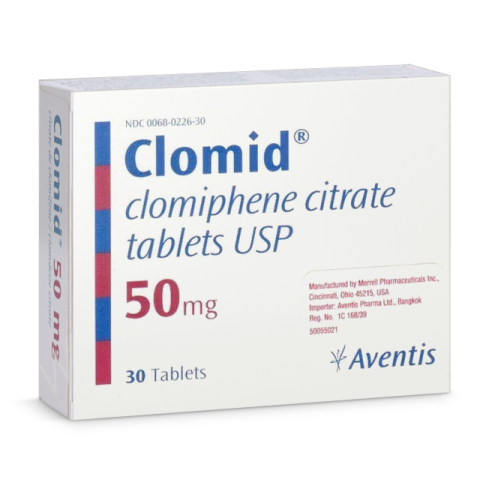
| Medicine Name | Clomid |
|---|---|
| Principal Molecule | Clomiphene Citrate |
| Intended Use | Treatment of Ovulatory Dysfunction in Female Infertility |
| Strength Variants | 50 mg tablets (occasionally 25 mg or 100 mg available) |
| Activation Time | Usually stimulates ovulation within 5-10 days after course initiation |
| How Long Effects Last | One ovulation cycle per treatment course; may be repeated for several cycles |
| Usage Pattern | Once daily for 5 consecutive days per menstrual cycle |
| Prescription Policy | Prescription required in the UK; regulated by the MHRA |
| Typical Cost Range | £15–£35 per treatment course (varies by source and consultation fees) |
Clomid for Female Infertility: What to Know and How to Access It in the United Kingdom
Clomid is a well-established prescription medicine used in the United Kingdom to help women with particular types of infertility, primarily by encouraging ovulation. Its active compound, clomiphene citrate, works on hormonal pathways to restore or induce regular egg release. This treatment is authorised and available in the UK through regulated pharmacies and clinics, subject to prescription controls.
How Common Is Female Infertility? Understanding the Starting Point
Struggling to conceive is far more common than most people imagine, and you are not alone in searching for a solution. According to the UK’s National Institute for Health and Care Excellence (NICE), about 1 in 7 couples face difficulties conceiving, which equates to roughly 3.5 million people in the UK (NICE, 2020). Globally, the World Health Organization reported in 2023 that infertility affects around 17.5% of the adult population at some point in their lives. Many women in the United Kingdom experience ovulatory disorders as a leading cause of these difficulties, but the majority can be addressed with evidence-based treatments like Clomid, under appropriate medical guidance. The stigma around infertility is slowly shifting as more individuals seek qualified support and proven medical solutions.
How Clomid Works: From Hormones to Real-World Results
Clomid acts by prompting your brain to release more of the hormones necessary to stimulate the ovaries. Specifically, it blocks oestrogen receptors in the hypothalamus (a key hormone control centre), which the body then interprets as a sign of low oestrogen levels. This “trick” causes the pituitary gland to increase secretion of follicle-stimulating hormone (FSH) and luteinising hormone (LH). These two hormones are vital triggers for egg maturation and ovulation.
- Physiological effect: By encouraging a surge in FSH and LH, Clomid helps the ovaries grow and release an egg (ovulate), which is essential for conception.
- Practical consequence: Most women who respond to Clomid will ovulate about 5–10 days after completing the 5-day treatment course, with ovulation typically confirmed by temperature tracking, ovulation predictor kits, or ultrasound monitoring.
For those with irregular or absent ovulation (anovulation), this targeted stimulation can transform cycles that were previously unpredictable or absent into cycles where the possibility of pregnancy is restored. According to clinical data referenced by NICE, approximately 70–80% of women with ovulatory dysfunction will ovulate with Clomid, and about 40–45% will achieve pregnancy within six treatment cycles.
Is Clomid Right for You? Matching Life Situations to Treatment Choice
| Your Situation | Is Clomid Appropriate? | Reasoning |
|---|---|---|
| Irregular or absent periods (anovulation), no clear ovarian or tubal damage, partner’s sperm analysis normal | Yes | Clomid is first-line for ovulatory dysfunction where other fertility factors are unremarkable, as it directly stimulates ovulation. |
| Diagnosed with Polycystic Ovary Syndrome (PCOS), seeking to conceive, no contraindications | Usually yes | Clomid is often effective in PCOS-related infertility, though dose adjustments and monitoring may be required. Alternative treatments may be considered if there is resistance. |
| Age over 38 with several years of trying to conceive, prior unsuccessful ovulation induction attempts | Possibly, but less likely to be effective | Success rates decline with age and number of prior failed cycles; advanced reproductive technologies may be more suitable. |
| Blocked fallopian tubes or partner has severe sperm abnormalities | No | Clomid cannot address mechanical or male-factor infertility; other treatments (such as IVF or ICSI) are required. |
| Unexplained infertility, all standard investigations normal | Sometimes considered | Clomid may be trialled in some cases to increase the number of eggs released, but results vary and other options may be evaluated. |
It is essential to note that Clomid is not suitable for everyone and a consultation with a fertility specialist or GP is needed to determine the precise cause of infertility and the best course of action. The above scenarios give a practical sense of when Clomid is likely, or unlikely, to offer benefit.
Practical Use: What Taking Clomid Means Day-to-Day
Clomid is typically taken as a single tablet (usually 50 mg) daily for five days, starting early in the menstrual cycle (often day 2 to 5). Your doctor may tailor the starting day or dose depending on your cycle history, age, and other health factors.
- Missed dose: If you forget a dose, take it as soon as you remember, unless it’s nearly time for your next dose—then skip the missed one. Doubling up is not recommended.
- If ovulation does not occur: Your clinician may recommend a higher dose (up to 100 mg or 150 mg per day), or further investigations if there’s no response after three treatment cycles.
- Monitoring: Blood tests, ovulation predictor kits, or ultrasound scans may be used to check whether you are ovulating. This is especially important to reduce the risk of multiple pregnancy and to ensure correct timing of conception attempts.
- Combination with other medications: Occasionally, metformin or other fertility therapies are added, particularly for women with PCOS.
- When to stop: Clomid is not usually continued beyond six cycles, as long-term use has not demonstrated increased effectiveness and may increase risk of side effects.
Sexual intercourse is typically recommended every 1–2 days around the expected time of ovulation for the best chance of conception. If you have used Clomid for several cycles without success, a review with your fertility specialist is important to consider alternative strategies.
Who Should Not Use Clomid? Contraindications Explained
- Liver disease: Clomid is processed by the liver and can cause harm if liver function is impaired.
- Ovarian cysts (not due to PCOS): May worsen cysts because of further ovarian stimulation.
- Undiagnosed abnormal vaginal bleeding: Could mask or exacerbate underlying serious conditions.
- Pregnancy: Not safe during pregnancy, as it can cause harm to the developing foetus.
- Known hypersensitivity to clomiphene or any excipients: Risk of allergic reaction.
- Thyroid or adrenal disorders not medically controlled: Can complicate the hormonal effects and may require prior treatment.
These restrictions exist to protect your health. If you are unsure whether any of these apply to you, seek guidance from your GP or fertility clinic. The prescription process in the UK is designed by the Medicines and Healthcare products Regulatory Agency (MHRA) to ensure only suitable candidates use Clomid.
Possible Side Effects: What to Expect and When to Seek Help
- Common and usually mild: Hot flushes, abdominal discomfort or bloating, headache, breast tenderness, mood swings—these affect up to 1 in 10 women and often resolve after the treatment course.
- Less frequent: Visual disturbances (blurred or spotty vision, light sensitivity), nausea, vomiting. If visual changes occur, discontinue and consult a doctor; these effects can be reversible but must not be ignored.
- Rare but serious: Ovarian hyperstimulation syndrome (OHSS), presenting as severe abdominal pain, rapid weight gain, or breathing difficulties; or severe allergic reactions (swelling, difficulty breathing, rash). These require immediate medical attention. If you experience severe symptoms, dial NHS 111 or 999 for emergency support in the UK.
- Multiple pregnancy: Clomid increases the chance of twins (around 8–10%), and higher-order pregnancies are rare but possible. Monitoring can help detect and manage these risks.
Most side effects are mild and temporary, but you should always discuss new or worrying symptoms with your doctor. If signs of a severe reaction or OHSS appear, seek urgent help as above.
Drug Interactions: Compatibility and Cautions
Clomid is rarely affected by other medications, but certain drugs may reduce its effectiveness or increase the risk of side effects. Examples include:
- Hormonal contraceptives: These work against Clomid’s effect; stop use before starting treatment.
- Other fertility drugs (gonadotrophins): Combination may be used but only under close medical supervision to avoid excessive ovarian stimulation.
- Medications affecting liver enzymes: Some epilepsy or antibiotic medicines may impact how Clomid is processed.
Always give your clinician a full list of your current medications, including herbal or over-the-counter treatments. This will help prevent interactions and ensure safety.
Comparing Clomid to Alternatives: When Is Each Best?
| Treatment Option | Strengths | Limitations | When Preferred |
|---|---|---|---|
| Clomid (Clomiphene) | Oral, affordable, widely available, well-studied | Less effective in women with high BMI, older age, or previous resistance; risk of multiple births | First-line in women with ovulatory dysfunction and normal tubal/pelvic anatomy |
| Letrozole | Oral, lower risk of multiple births, may be superior in PCOS | Not always licensed for this use in the UK; long-term safety data less established | Women with PCOS, those resistant or intolerant to Clomid |
| Gonadotrophin injections | More potent stimulation, useful in specific protocols | Higher cost, requires close monitoring, higher OHSS risk | Clomid/letrozole non-responders, IVF cycles |
| IVF/ICSI | Highest efficacy when other methods fail; addresses male and tubal factors | Invasive, expensive, greater emotional and logistical burden | Blocked tubes, severe male factor, prolonged infertility, age-related decline |
Clomid remains the preferred first-line choice for many women with ovulatory infertility, but its effectiveness is context-dependent. Honest assessment with your clinician will identify when to continue, switch, or escalate treatment.
What It Costs in United Kingdom: Full Cost Breakdown
| Cost item | Amount | Note |
|---|---|---|
| Fertility consultation (NHS/private) | £0–£200 | NHS is free with referral; private clinics charge £100–£200 per visit |
| Prescription charge | £9.65 | Standard England NHS prescription; private charges vary |
| Clomid 50 mg (5-tablet pack) | £15–£35 | Price varies between pharmacies; not all supply generics |
| Delivery (if online pharmacy) | £0–£5 | Free for some, extra for express or tracked |
| Total | £25–£250 | Range covers NHS and private options, including all costs per cycle |
This table reflects the full range of potential costs you might face when seeking Clomid in the UK. If you are eligible for NHS treatment, most costs are greatly reduced. Online services and private clinics can offer convenience but may be more expensive, and always require a valid prescription from a UK-registered prescriber. Always ensure you are buying from a pharmacy registered with the General Pharmaceutical Council (GPhC) to avoid counterfeit medicines.
Answers to Remaining Practical Questions
Can I get Clomid without a prescription in the UK? Legally, Clomid always requires a valid prescription in the United Kingdom. While some online vendors may claim to supply it without one, this is not endorsed by the MHRA and carries significant health and legal risks, including exposure to counterfeit drugs and lack of medical oversight. Always use regulated routes.
What happens if I don’t get pregnant after using Clomid? If you do not conceive after 6 ovulatory cycles with Clomid, guidelines suggest moving to alternative treatments, as further use is unlikely to increase your chances. Your fertility specialist will explore next steps such as letrozole, gonadotrophins, or assisted reproductive technologies.
Is it safe to use more than the recommended dose? Exceeding prescribed doses increases the risk of ovarian hyperstimulation and other side effects without improving outcomes. Overdose can be dangerous—always follow your prescriber’s instructions and seek medical advice if you have concerns.
Throughout your treatment, maintaining communication with your fertility team ensures your care remains tailored, safe, and aligned with current UK guidelines.