
- Home/
- Buy Lasix in Online Pharmacy for United Kingdom Customers
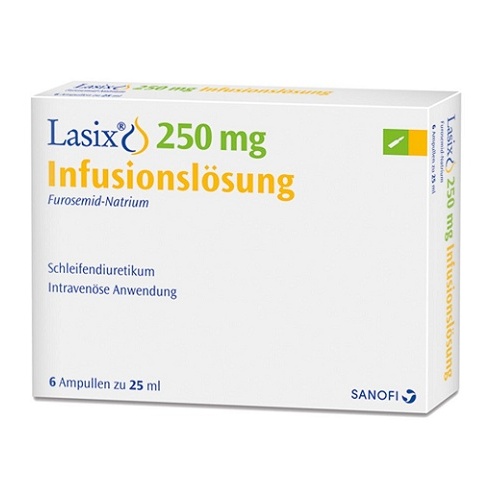
| Product Name | Lasix |
|---|---|
| Key Molecule | Furosemide |
| Main Use | Treatment of fluid retention (oedema) in various conditions |
| Strengths Offered | 20 mg, 40 mg, 500 mg tablets; injectable forms available |
| How Quickly It Acts | Oral: 30–60 minutes; Intravenous: 5 minutes |
| Effect Duration | Approximately 6–8 hours (oral) |
| Usual Administration Pattern | Once or twice daily; varies by patient need |
| Prescription Status in UK | Prescription-only medicine (POM) |
Lasix for Edema: What You Need to Know in the United Kingdom
Lasix, containing the active compound Furosemide, is a widely prescribed diuretic for managing swelling caused by excess fluid, known as oedema. In the United Kingdom, Lasix is legally available by prescription and used in both hospital and community settings for conditions like heart failure, liver disease, and certain kidney problems.
Oedema: A Common and Treatable Problem in the UK
Many people in the UK experience oedema—fluid retention leading to swelling, most often in the legs, ankles, or lungs. According to the British Heart Foundation, over 900,000 people in the UK live with heart failure, a main cause of oedema, as reported in 2023. Oedema can also arise from kidney disease, liver cirrhosis, or certain medications. It is not a sign of personal failure or rare disease: fluid build-up is a frequent reason for seeing a GP or attending A&E. The good news is that, with appropriate treatment, symptoms can be controlled for most patients, and you are not alone in seeking help for this issue.
How Lasix Works to Relieve Fluid Build-Up
Lasix belongs to a group of medicines called loop diuretics. These drugs act on the kidneys, specifically targeting a part called the loop of Henle, where they block the reabsorption of sodium and chloride. As a result, more salt and water are expelled in urine. For patients, this means a reduction in swelling, easier breathing if fluid is in the lungs, and often rapid symptom improvement. Most people notice increased urination within the first hour (oral) or minutes (injection) after taking Lasix, followed by a gradual reduction in swelling over several hours. By removing excess fluid, Lasix helps the heart and lungs work more efficiently and can reduce discomfort and improve mobility for those suffering from oedema.
Is Lasix Right for You? Real-Life Scenarios
| Your Situation | Is Lasix Suitable? | Why or Why Not |
|---|---|---|
| Swelling in legs due to diagnosed heart failure | Yes | Lasix is a first-line option for managing oedema in heart failure because it helps remove excess fluid and reduce strain on the heart. |
| Fluid retention with chronic kidney disease (CKD) | Sometimes | Lasix may be used in CKD if the kidneys still produce urine, but careful monitoring is required. Effectiveness decreases as kidney function declines. |
| Swelling only after long flights or standing, no underlying disease | Usually not | Lasix is not recommended for mild or occasional swelling without a medical cause; lifestyle changes and compression stockings are safer options. |
| History of allergy to sulfonamide medications | Usually not | Lasix is chemically related to sulfonamides; risk of allergic reaction is higher, so alternatives are often preferred. |
If your situation falls outside these examples, or if you have multiple health conditions, a consultation with your GP or specialist is essential to determine whether Lasix is the optimal choice for you.
How to Take Lasix: Practical Guidance for Everyday Life
Lasix tablets are typically taken once or twice daily, in the morning or early afternoon. Taking it late in the day can lead to disrupted sleep due to the need to urinate at night. Tablets can be taken with or without food, but always follow your prescribed schedule.
- If you miss a dose: Take it as soon as you remember unless it is close to the next scheduled dose. Do not double up. Missing occasional doses usually does not cause harm, but frequent missed doses can lead to return of symptoms.
- If it does not seem to work: It may be due to dietary salt intake, reduced kidney function, or disease progression. Inform your doctor rather than adjusting the dose yourself.
- Signs Lasix is working: Increased urination (within 1 hour for tablets), gradual reduction in swelling, improved breathing or mobility.
- What requires attention: If you notice muscle cramps, dizziness on standing, confusion, or signs of dehydration (very dry mouth, dark urine), contact your healthcare provider. These may indicate too much fluid loss or mineral imbalance.
Never adjust your dose or stop Lasix abruptly without consulting your doctor, as sudden changes can worsen underlying conditions or cause rebound fluid retention.
Who Should Not Take Lasix?
Certain medical conditions mean Lasix is not a safe option:
- Severe kidney failure with no urine production — Lasix cannot work without some kidney function and may cause further harm.
- Severe low blood pressure — Because Lasix removes fluid, it can dangerously worsen hypotension.
- Severe electrolyte imbalance (e.g. low potassium or sodium) — Lasix can further disturb these levels, increasing risk of heart rhythm problems and confusion.
- Known allergy to Furosemide or other sulfonamide-type drugs — There is a risk of severe allergic reaction.
- Liver coma (hepatic encephalopathy) — Lasix may worsen mental status and should be avoided.
- Pregnancy and breastfeeding: Lasix is not usually recommended unless specifically advised by a specialist, due to potential effects on the baby.
For these reasons, your doctor will screen for these issues before prescribing Lasix. If you develop new symptoms after starting treatment, update your provider promptly.
Possible Side Effects: What to Expect, and When to Seek Help
- Common and usually mild: Needing to urinate frequently, mild dehydration, muscle cramps, slight drop in blood pressure (may cause dizziness on standing).
- Less common, needs attention: Significant weakness, ongoing muscle cramps, hearing changes (mainly at very high doses), skin rash, or yellowing of the eyes.
- Rare but serious, requires urgent care: Severe allergic reaction (swelling of face or throat, difficulty breathing), confusion, severe vomiting or diarrhoea, sudden changes in heart rhythm.
If you experience symptoms such as difficulty breathing, collapse, or sudden swelling of the mouth or throat, call 999 for emergency services in the UK immediately. These symptoms can signal a serious, potentially life-threatening reaction.
Most side effects are reversible by adjusting the dose or replacing lost fluids and minerals. Regular blood tests while on Lasix are standard to monitor for these issues.
Can Lasix Be Taken with Other Medicines?
Lasix interacts with several common medications. Combining it with other blood pressure tablets, certain antibiotics (like aminoglycosides), non-steroidal anti-inflammatory drugs (NSAIDs), or lithium can increase the risk of side effects or reduce effectiveness. For example, NSAIDs may blunt the diuretic effect, while combining Lasix with other potassium-lowering drugs raises the chance of dangerous heart rhythm problems. Always inform your doctor or pharmacist about every prescription, over-the-counter medicine, or supplement you are taking. Adjustments may be needed to prevent interactions, and sometimes alternative drugs are safer with Lasix.
Lasix Compared to Alternatives: When Is It the Best Choice?
Lasix (Furosemide) is one of several diuretics used to treat oedema. It acts quickly and is effective for moderate to severe fluid retention, especially in heart failure and certain kidney or liver diseases. Other diuretics, such as thiazides (e.g., bendroflumethiazide) or potassium-sparing agents (e.g., spironolactone), may be preferable for mild oedema, prevention of potassium loss, or in combination therapy. For patients with significant kidney impairment, higher doses of Lasix may be needed, or other strategies may be used. No single diuretic suits every person; the choice depends on the underlying cause of oedema, kidney function, electrolyte balance, and risk of side effects. Lasix is particularly valued for rapid symptom relief, but it is not the only option, and your doctor may change treatment if side effects occur or your condition changes.
Buying Lasix in the United Kingdom: What It Really Costs
| Cost Component | Estimated Price (GBP) | Context / Details |
|---|---|---|
| GP or Specialist Appointment | Free (NHS) or £50–£120 (private) | NHS consultation is free for UK residents; private fees vary |
| Prescription Charge | £9.65 per item (NHS England) | Standard NHS prescription charge per medicine |
| Lasix (Furosemide) Tablets | £1–£5 (generic, per month) / £10–£25 (brand, per month) | Retail pharmacy price for typical monthly supply |
| Delivery (if ordered online) | £3–£7 | Standard UK delivery fees; varies by provider |
| Total Outlay | £10–£40 | Depending on NHS vs private, brand vs generic, and delivery |
Lasix is available through NHS and private prescriptions. Generic versions (Furosemide) are widely dispensed in the UK and are much less expensive than branded Lasix, but both contain the same active ingredient. Most UK pharmacies require a valid prescription. Some online pharmacies may offer prescription services for an additional fee—ensure you use a provider registered with the Medicines and Healthcare products Regulatory Agency (MHRA). If a site claims to sell Lasix without a prescription, exercise caution—this is not in line with UK law and may carry risks related to counterfeit medicines.
Final Details: Remaining Questions Answered
- Is Lasix addictive? No, Lasix does not cause dependence or addiction. Stopping suddenly, however, can cause fluid to build up again.
- Do I need regular tests while taking Lasix? Yes, blood tests to check kidney function and electrolyte levels are usually required, especially at the start of treatment or if the dose changes.
- Can I drive while on Lasix? Some people experience dizziness, especially at the beginning of treatment. Until you know how Lasix affects you, be cautious when driving or operating machinery.
- How do I store Lasix? Store tablets in a dry place at room temperature, out of direct sunlight and away from children.
- If symptoms persist or worsen, what should I do? Persistent swelling, shortness of breath, or chest pain despite taking Lasix require prompt medical review. Do not adjust the dose yourself; contact your doctor or NHS 111 for advice.