
- Home/
- Buy Seroquel at Low Price in the United Kingdom
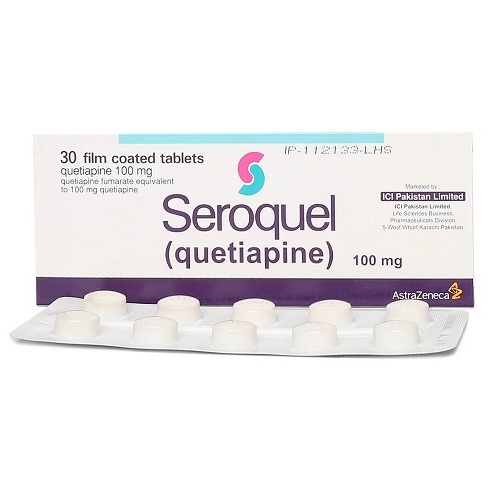
Can Seroquel Be Obtained Without a Prescription in the United Kingdom?
No, Seroquel (quetiapine) is a prescription-only medicine (POM) in the United Kingdom. Purchasing or using Seroquel without a valid prescription from a registered medical practitioner is illegal and puts your health at risk. Always consult a qualified healthcare professional before considering this medication.
Summary: Key Facts About Seroquel in the United Kingdom
- Active ingredient: Quetiapine
- Main use: Treatment of schizophrenia, bipolar disorder, some cases of major depressive disorder
- Prescription required? Yes (cannot legally obtain without doctor’s prescription in the UK)
- Legal status (2026): Prescription only; regulated by the Medicines and Healthcare products Regulatory Agency (MHRA)
- Typical onset: Effects may begin within 1–2 hours; full therapeutic response can take several days to weeks
- Main contraindication: History of severe cardiovascular disease, allergy to quetiapine
- Availability: NHS and private pharmacies across the UK; telemedicine consultations possible for eligible patients
- Common brands: Seroquel (original), multiple UK-approved generics
- Price range (2026): £4–£25 per monthly pack (varies by strength, brand/generic, and NHS/private)
What Is Seroquel and Who Needs It?
Seroquel, with the active ingredient quetiapine, is a prescription antipsychotic medicine approved in the United Kingdom for the treatment of:
- Schizophrenia (including in adolescents from 13 years)
- Bipolar disorder (manic and depressive episodes, and maintenance therapy)
- Major depressive disorder (as add-on in certain cases)
It is sometimes used “off-label” for other mental health conditions (such as severe anxiety or insomnia), but this should only ever be under specialist supervision and after careful risk assessment. Seroquel is not a cure—rather, it helps manage symptoms, reduce the risk of relapse, and improve quality of life for many people living with serious mental health conditions.
Bottom line: Seroquel is intended for individuals who have received a clear diagnosis from a mental health professional and for whom treatment with quetiapine is considered clinically appropriate based on British guidelines (NICE protocols).
How Does Seroquel Work in the Body?
Pharmacological action (prose + metaphor):
Seroquel (quetiapine) belongs to the “atypical antipsychotic” class. At the cellular level, it acts primarily as an antagonist at brain receptors for dopamine (D2) and serotonin (5-HT2A), with additional effects on histamine (H1) and adrenergic (α1, α2) receptors. By blocking these receptors, Seroquel helps to “re-balance” signalling in key neural circuits associated with mood, perception, and thought.
In simple terms: imagine the brain as a busy train station. In conditions like schizophrenia or bipolar disorder, certain trains (signals) come too frequently or on the wrong track. Seroquel works like a skilled signal operator, slowing down or diverting the overactive routes, so normal function can resume.
Scientific details: Recent studies (2022–2024) confirm that quetiapine’s efficacy is linked with its moderate dopamine blockade (reducing psychosis) and strong serotonin antagonism (reducing mood swings and depressive symptoms). Its metabolite norquetiapine contributes to antidepressant and anxiolytic properties (PubMed).
Does Seroquel require triggers or conditions to work? No, its effect is independent of external triggers but relies on consistent use as prescribed.
Expert Commentary from doctor
In my clinical experience, one of the most common misunderstandings about Seroquel is that it works instantly or that it will “make you feel happy” right away. In reality, while sedation may start within hours (especially at higher doses), its full antipsychotic or mood-stabilising effect often takes days to weeks. Patients sometimes give up or become frustrated—particularly if they’re expecting rapid relief from long-standing symptoms. It’s crucial to stick with the prescribed treatment plan and to communicate side effects or concerns to your GP or psychiatrist promptly, rather than adjusting the dose or stopping without medical advice. Another real-world tip: always check with your pharmacist if your tablets look different or if the packaging changes, especially with generics, to avoid taking the wrong medication by mistake.
How Should Seroquel Be Taken? (Dosage and Practical Use)
| Condition | Starting Dose | Maintenance Dose | Max Daily Dose | Formulation | Splitting Tablet? |
| Schizophrenia | 50 mg/day (divided) | 300–450 mg/day | 750 mg | IR/XL tablets | IR: Yes; XL: No |
| Bipolar mania | 100 mg/day | 400–800 mg/day | 800 mg | IR/XL tablets | IR: Yes; XL: No |
| Bipolar depression | 50 mg/day | 300 mg/day | 300 mg | IR/XL tablets | IR: Yes; XL: No |
| Major depressive disorder (adjunct) | 50 mg/day | 150–300 mg/day | 300 mg | IR/XL tablets | IR: Yes; XL: No |
Notes:
- IR = Immediate Release; XL = Extended Release
- Only IR tablets can be split (if scored); XL tablets must be swallowed whole
- Take with or without food, preferably at the same time each day
- Start low, go slow: especially important in elderly, those with liver or kidney impairment
- Never exceed maximum daily dose—serious side effects (including heart rhythm problems and coma) can occur
- Dosage may be adjusted according to response and tolerability—always under specialist supervision
Peak effects: Sedation within 1–2 hours; full mood/psychotic symptom relief may take several days to weeks.
What Foods, Drinks, or Lifestyle Factors Affect Seroquel?
- Alcohol: Absolutely not recommended. Combining quetiapine with alcohol increases sedation, risk of accidents, and can worsen breathing/heart problems. Zero alcohol is advisable while on Seroquel.
- Grapefruit juice: Should be avoided entirely. It inhibits CYP3A4 (liver enzyme), leading to unpredictable increases in quetiapine blood levels, which may cause toxicity.
- Fatty meals: Minor delay in absorption with IR tablets; not clinically relevant. XL tablets should be taken at least one hour before food or on an empty stomach for consistent effect.
- Caffeine: No significant direct interaction, but may worsen sleep disturbances.
- Smoking: Can reduce blood levels of Seroquel over time (due to CYP1A2 induction); dose adjustment may be needed for heavy smokers.
Realistic advice: Take Seroquel at the same time daily, avoid alcohol and grapefruit, and inform your doctor about changes in smoking habits.
What Are the Absolute and Relative Contraindications?
- Absolute Contraindications (Never use):
-
- Known allergy or hypersensitivity to quetiapine or any excipient in the tablet
- Acute severe cardiovascular disease (e.g., recent heart attack within 3 months, unstable heart failure)
- History of neuroleptic malignant syndrome with antipsychotics
- Concomitant use with strong CYP3A4 inhibitors (e.g., certain HIV medications, ketoconazole)
- Relative Contraindications (Use with caution):
-
- History of arrhythmia, prolonged QT interval, or family history of sudden cardiac death
- Liver impairment—lower doses and slower titration required
- Diabetes mellitus—Seroquel can cause or worsen hyperglycaemia
- History of seizures, or use in elderly with dementia (increased stroke risk)
- Pregnancy and breastfeeding—only if benefits outweigh risks, under specialist advice
Why? Seroquel can alter heart rhythms, blood sugar, and metabolic balance. In high-risk conditions, these effects may be life-threatening or trigger medical emergencies.
What Side Effects Are Most Common with Seroquel?
| Frequency | Side Effects | Explanation | What to Do |
|---|---|---|---|
| Very common (>1 in 10) |
Drowsiness, dry mouth, dizziness, weight gain, increased appetite | Blockade of brain histamine and serotonin receptors alters appetite and alertness | If severe, speak to your doctor for dose adjustment |
| Common (1 in 10 to 1 in 100) |
Constipation, rapid heartbeat, postural hypotension (sudden drop in BP), abnormal liver tests, blurred vision | Autonomic effects; some reversible with dose changes | Report to your GP if persistent; do not drive |
| Rare (1 in 1,000 to 1 in 10,000) |
Seizures, tardive dyskinesia (involuntary movements), blood disorders | Dopamine receptor effects, immune modulation | Seek prompt medical attention |
| Very rare | Severe allergic reactions, neuroleptic malignant syndrome, priapism | Immune or vascular events; potentially fatal | Emergency—call 999 immediately |
Guidance: Mild side effects often improve over time. Serious or persistent side effects require immediate medical review—never stop abruptly without specialist advice.
Common Patient Mistakes Observed by doctor
- Stopping the medication suddenly when feeling better or due to side effects—this can cause withdrawal or rapid relapse. Always taper slowly under doctor supervision.
- Mixing with alcohol or other sedatives, believing it “will help sleep”—this increases risk of overdose and respiratory depression.
- Taking XL (extended release) tablets cut or crushed—this destroys the slow-release mechanism, leading to overdose.
- Missing regular blood checks (for glucose, cholesterol, liver function) when required—this delays detection of dangerous metabolic effects.
- Not informing their doctor about all other medications (including over-the-counter and herbal remedies)—risking severe drug interactions.
- Using leftover tablets from previous prescriptions or another person’s supply—doses and indications may differ, posing serious risks.
Avoid these by following your care plan and discussing any concerns openly with your mental health team or pharmacist.
How Does Seroquel Compare to Alternatives?
| Medication | Main Use | Onset (hours) | Duration (hrs) | Most Common Side Effects | Cost (per month) | UK NHS/Private |
|---|---|---|---|---|---|---|
| Seroquel (quetiapine) | Schizophrenia, bipolar, MDD adjunct | 1–2 | 12–24 | Drowsiness, weight gain, dry mouth | £4–£25 | Both |
| Olanzapine | Schizophrenia, bipolar | 1–3 | 24 | Weight gain, sedation, metabolic syndrome | £3–£18 | Both |
| Aripiprazole | Schizophrenia, bipolar | 3–6 | 24 | Restlessness, insomnia, headache | £8–£32 | Both |
Summary: Seroquel tends to be more sedating and is preferred where sleep or agitation is a problem. Olanzapine may cause more weight/metabolic issues. Aripiprazole is less sedating, but can be activating (restlessness). All require a prescription in the UK.
Questions Frequently Asked to doctor
- Can I skip a dose if I forget to take Seroquel?
- If you miss a dose, take it as soon as you remember unless it’s close to your next dose. Never double up; just return to your normal schedule. Missing doses frequently can reduce effectiveness.
- Is it safe to combine Seroquel with antidepressants?
- In many cases, yes—but only with your doctor’s guidance and careful monitoring for interaction side effects such as drowsiness or serotonin syndrome. Always disclose all medications.
- Can Seroquel cause dependence or withdrawal?
- Physical dependence is uncommon but possible, especially after long-term use or abrupt cessation. Symptoms may include insomnia, nausea, or agitation. Always taper gradually under medical supervision.
- Will Seroquel affect my ability to drive?
- Yes, especially at the start or after dose changes, due to sedation and slowed reactions. You must not drive or operate heavy machinery until you know how it affects you, as per UK law.
- Is Seroquel safe for older adults?
- Extra caution is needed in those over 65, particularly with dementia (higher stroke risk), and lower starting doses are standard. Regular monitoring for falls, heart rhythm, and metabolic effects is essential.
- Can I drink alcohol on Seroquel?
- No, combining with alcohol increases sedation, accident risk, and may be dangerous. The safest advice is complete abstinence while taking Seroquel.
Seroquel Key Characteristics Table
| Parameter | Value |
| Active Ingredient | Quetiapine |
| Prescription Required | Yes (in UK) |
| Usual Starting Dose | 50 mg–100 mg (varies by condition) |
| Maximum Daily Dose | 800 mg (adults) |
| Onset of Action | 1–2 hours (sedation); days–weeks (full effect) |
| Duration | 12–24 hours |
| Typical Cost | £4–£25 per month |
| Formulations | IR, XL tablets (various strengths) |
How to Obtain Seroquel Legally in the UK: Step-by-Step
- Book a consultation with your GP, psychiatrist, or registered prescriber (in-person or via approved telemedicine platforms).
- Undergo assessment—a proper diagnosis and review of your mental health history, physical health, and current medications are essential.
- Receive a prescription—if Seroquel is considered appropriate, you will get a valid electronic or paper prescription, compliant with UK law.
- Choose a pharmacy—take your prescription to any NHS or private pharmacy, or use a licensed online pharmacy (look for the green cross/EU common logo).
- Medication dispensed—the pharmacist will verify your details and issue the medicine, explaining safe use and possible side effects.
- Ongoing monitoring—attend regular follow-ups for blood tests and mental health review.
Tip: Telemedicine is increasingly used, especially in London, Manchester, Birmingham, and other UK cities. Always ensure the online provider is CQC-registered (Care Quality Commission).
Online Purchase: Legality and Patient Protection
In the UK, it is illegal to obtain Seroquel from any source that does not require a valid prescription. The MHRA actively monitors and prosecutes illegal online sales. Real pharmacies will:
- Require a prescription before dispensing
- Display the MHRA online pharmacy logo (green cross/EU common logo)
- List their address, registration number, and a UK telephone contact
Risks of unlicensed sources: Counterfeit medicines, incorrect dosage, dangerous contaminants, customs seizure, and prosecution.
Why a prescription is protection: Ensures you have a correct diagnosis, safe monitoring, and rapid response to side effects. It’s a safeguard, not unnecessary bureaucracy.
How Can I Identify Counterfeit or Fake Seroquel?
- Check the packaging: UK-licensed Seroquel has clear batch numbers, expiry dates, MHRA approval details, and (for generics) UK marketing authorisation number.
- Colour, size, and imprint: UK Seroquel tablets are usually white/off-white, marked with the dose (e.g., “SEROQUEL 25”), and come in blisters with AstraZeneca or generic manufacturer details.
- Price too low? Unusually cheap products are a red flag for counterfeits or expired stock.
- Look for QR codes or holograms: Many UK packs include these for verification.
- Always obtain from a UK-registered pharmacy (NHS or CQC-registered online).
If in doubt, ask your pharmacist to verify. Report suspected fakes to the MHRA (Yellow Card Scheme).
Seroquel: Original vs Generic—What’s the Difference?
Since the patent expired, Seroquel is available in the UK as both the original brand (AstraZeneca) and several approved generics. Both must meet strict MHRA standards for efficacy and safety. Differences may include:
- Excipients (fillers or colouring agents) can vary; rarely, allergies may occur to one but not another.
- Packaging and tablet appearance may differ, but the active ingredient and dosage are equivalent.
- Generics are almost always less expensive (NHS usually dispenses generics unless otherwise specified).
Myth vs Reality: Myth: Generics are lower quality. Reality: In the UK, generics must demonstrate “bioequivalence” and are considered clinically interchangeable.
How Is Seroquel Processed in My Body (Pharmacokinetics)?
Seroquel is absorbed through the gut, reaches peak blood levels in 1.5 hours (IR) or 6 hours (XL), and is mainly metabolised in the liver by the CYP3A4 enzyme. It is then excreted via the kidneys. The elimination half-life (T1/2) is about 6 hours. In elderly or those with liver/kidney problems, the drug may accumulate, increasing side effects.
Bottom line: If you have liver or kidney disease, your prescriber will adjust your dose accordingly. Blood levels may also be affected by other medicines (especially those influencing liver enzymes).
Special Patient Groups: What Should I Know?
- Elderly: Increased sensitivity; higher risk of falls, confusion, heart rhythm changes. Start low, monitor closely.
- Youth (13–18): Only for certain indications; specialist-only prescription.
- Pregnancy: Use only if benefits outweigh risks (possible neonatal withdrawal and extra monitoring required).
- Breastfeeding: Not usually recommended; quetiapine is secreted in breast milk.
- Driving/Machinery: Quetiapine can cause drowsiness and slow reactions. UK law prohibits driving under its influence if impaired.
- Fertility: No direct effect, but underlying illness and concomitant medications may impact reproductive health.
Compatibility Check: Seroquel and Other Drugs
| Product Type | Can It Be Combined? | Consequences |
|---|---|---|
| Paracetamol | Yes | No significant interaction |
| Alcohol | NO | Severe sedation, respiratory depression |
| Antidepressants (SSRIs) | Yes, with caution | Increased risk of serotonin syndrome, drowsiness |
| Strong CYP3A4 inhibitors (e.g., ketoconazole) | NO | Dangerous rise in quetiapine levels—avoid |
| Antihypertensives | Yes, monitor BP | Risk of low blood pressure (postural hypotension) |
What If I Take Too Much Seroquel? (Overdose Instructions)
- Stop taking Seroquel immediately—do not take any more tablets.
- Call 999 (UK emergency services) or go to the nearest A&E immediately.
- Inform medical staff of the exact dose, timing, and any other medicines taken.
- Do not try to induce vomiting unless instructed by emergency services.
- Bring the medication box or prescription with you to hospital if possible.
Overdose symptoms: Severe drowsiness or unconsciousness, rapid/irregular heart beat, seizures, respiratory depression, extreme low blood pressure.
Prompt medical care is life-saving. Never “wait to see if you get better”.
What to Do If Seroquel Does Not Work?
Sometimes, Seroquel may not control symptoms as expected. If you notice ongoing hallucinations, mood swings, or severe side effects, do not increase your dose on your own. Instead:
- Inform your prescriber—dose adjustment, alternative medicines, or extra support may be necessary.
- Check for adherence issues (missed doses, incorrect timing, interactions).
- Psychological/behavioural therapies often enhance medication effectiveness—ask about referral options.
- Rule out physical health issues (infections, thyroid problems) as contributors.
Psychological Support and Coping
Living with a mental health condition is challenging, and you’re not alone—millions of people across the UK face similar struggles and benefit from treatment. Consider speaking with a trusted friend, support group, or a mental health counsellor, in addition to your medical treatment. Sometimes, a combination of medication and talking therapies gives the best results for both symptoms and overall well-being.
Professional Opinion of doctor
From my perspective as a consultant psychiatrist, Seroquel remains a valuable option for a range of serious mental health conditions—especially when sedation and mood stabilisation are needed. It is best suited to patients with schizophrenia, bipolar disorder, and treatment-resistant depression, where alternative therapies have not provided adequate relief or tolerability. The real clinical challenge is balancing therapeutic benefits against risks—weight gain, sedation, and metabolic side effects are especially important to monitor and manage. In some cases, other antipsychotics (like aripiprazole or risperidone) may be preferable for patients who are prone to metabolic issues or who require a less sedating profile. Ultimately, the key to safety and success is close, regular follow-up and honest communication between patient and prescriber. Seroquel should always be part of a comprehensive care plan that includes psychological and social support, not just medication alone.
Frequently Asked Questions (FAQ)
- Is Seroquel available without prescription in the UK?
- No, Seroquel is strictly prescription-only. Using or obtaining it without a prescription is illegal and unsafe.
- How quickly does Seroquel start working?
- Sedation may begin within 1–2 hours; improvement in mood or psychosis usually requires several days to weeks of regular use.
- Can Seroquel be used daily?
- Yes, Seroquel is usually prescribed for daily use. Take it exactly as your doctor instructs—never adjust the dose yourself.
- Is Seroquel addictive?
- Classical addiction is rare, but abrupt discontinuation can cause withdrawal symptoms. Always stop gradually under medical supervision.
- What is the cost of Seroquel in the UK?
- Generic quetiapine costs approximately £4–£12 per month via the NHS; branded Seroquel or private prescriptions can be up to £25 monthly.
- Can I get Seroquel via telemedicine?
- Yes, if a licensed UK prescriber deems it appropriate, you may receive an electronic prescription after remote assessment.
- Are generics as effective as brand-name Seroquel?
- Yes, UK-approved generics are “bioequivalent” and considered equally effective and safe as the original.
Sources
- NHS: Quetiapine (Seroquel)
- Medicines and Healthcare products Regulatory Agency (MHRA)
- NICE: Psychosis and schizophrenia in adults
- European Medicines Agency: Seroquel
- PubMed: Latest clinical research on quetiapine
- MHRA Yellow Card Scheme (for reporting side effects or counterfeit medicine)
- Care Quality Commission (CQC)—UK healthcare provider regulation
- Electronic Medicines Compendium: Seroquel Summary of Product Characteristics
For further guidance and to ensure safe use, always consult a qualified mental health specialist in your local area (e.g., in London, Birmingham, Glasgow, or Manchester).